Transformative Effects of Patterned Laminate in Cabinet Design
Table Of Contents
Environmental Considerations
The use of patterned laminate in cabinet design presents an opportunity to embrace environmentally friendly practices. Many manufacturers are increasingly turning to sustainable materials for their laminates, including recycled content and responsibly sourced wood. This shift not only minimizes waste but also reduces the carbon footprint associated with production processes. Additionally, advancements in printing technologies have made it possible to create intricate designs using eco-conscious inks, which further support environmentally responsible initiatives.
Choosing patterned laminate can also contribute to energy efficiency in homes. Laminates can be lighter than traditional solid wood materials, leading to easier transport and reduced energy consumption during shipping. Many laminate products are designed to be durable and low-maintenance, which can lead to a longer lifespan and fewer replacements over time. This durability reduces the need for additional resources and labor while providing consumers with a sustainable option for their cabinetry needs.
Sustainable Manufacturing Practices
The production of patterned laminate has evolved to embrace sustainable practices, minimizing environmental impact while delivering quality products. Manufacturers are increasingly utilizing materials that are sourced responsibly, such as recycled content and low-emission adhesives. This shift supports the concept of a circular economy, where discarded materials are repurposed, reducing waste and conserving resources.
Innovative technologies are now employed in the manufacturing process to enhance energy efficiency. Advanced machinery and optimized production lines not only lower energy consumption but also minimize water usage and waste generation. By adopting these methods, companies contribute to a more sustainable future, appealing to eco-conscious consumers as they create stylish and functional designs.
Cost-Effectiveness of Patterned Laminate
Patterned laminate provides an affordable option for homeowners and designers looking to enhance the aesthetic appeal of cabinets without breaking the bank. Its fabrication technology allows for a wide range of designs and finishes, catering to various styles and preferences. With its lower production costs compared to solid wood or high-end materials, patterned laminate becomes a practical choice for both new builds and renovations.
In addition to its economical pricing, patterned laminate offers durability that translates into long-term value. The resistance to scratches, moisture, and UV light makes it a low-maintenance option that can withstand the rigors of daily use. Choosing this material can reduce the frequency of replacements or repairs, ultimately contributing to overall savings while maintaining a stylish and contemporary look.
Budget-Friendly Alternatives
Homeowners seeking stylish solutions for cabinet design can find numerous budget-friendly alternatives. One strategy involves choosing patterned laminate, which mimics the appearance of more expensive materials. This creates an upscale look without the hefty price tag associated with premium woods or stones. Brands have developed high-quality laminates that feature intricate designs and textures, allowing for creativity without financial strain.
Another effective approach is utilizing mixed materials in cabinet projects. Combining patterned laminate with less costly substrates such as MDF or particleboard can reduce overall costs while maintaining visual appeal. By strategically selecting areas for laminate application, such as the cabinet doors or visible surfaces, homeowners can make a statement without overspending.
Pairing Laminate with Other Materials
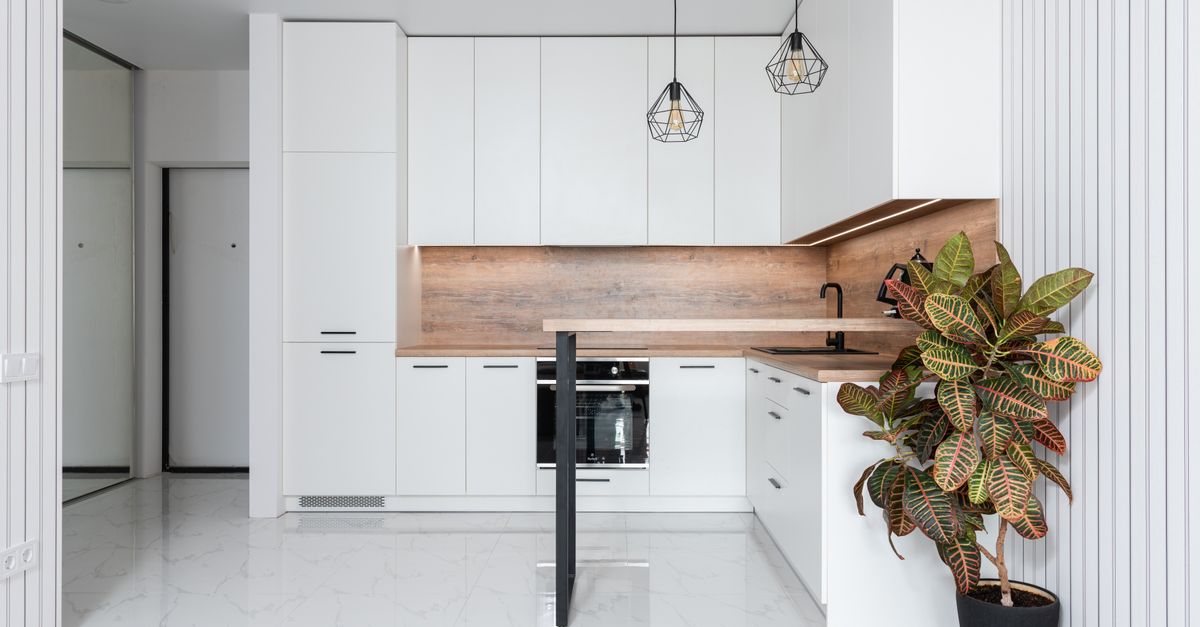
Integrating patterned laminate with other materials can significantly enhance the aesthetic appeal and functionality of cabinet designs. For instance, combining laminate with natural wood introduces warmth while maintaining a contemporary look. The juxtaposition of textures creates visual interest and depth, allowing homeowners to achieve a tailored appearance. Metal accents can also serve as striking contrasts, offering an industrial feel that complements the vibrancy of laminate patterns.
In addition to enhancing aesthetics, pairing laminate with other materials can improve durability and usability. Incorporating glass elements brings a modern touch and allows for transparent displays of items inside cabinets. This not only showcases personal collections but also contributes to a brighter overall space. Additionally, using laminate alongside solid surfaces like quartz or granite can provide a practical solution in kitchen environments, where functionality and style must coexist seamlessly.
Creating a Harmonious Look
The beauty of cabinet design often lies in the careful curation of materials and textures. Pairing patterned laminate with complementary elements can elevate the overall aesthetic of a space. For instance, juxtaposing laminate with sleek metal finishes or warm wood tones creates a balanced and inviting atmosphere. This interplay not only highlights the unique patterns of the laminate but also introduces a sense of depth and interest.
Choosing colors wisely enhances the harmonious effect. Neutral shades can serve as a backdrop, allowing bold patterns to take center stage without overwhelming the environment. Details such as hardware and lighting fixtures contribute to this cohesive look. Selecting pieces that resonate with the laminate's color palette helps achieve a unified design that feels intentional and thoughtfully executed.
FAQS
What are the environmental benefits of using patterned laminate in cabinet design?
Patterned laminate is often produced using sustainable manufacturing practices, reducing waste and minimizing environmental impact. Additionally, many laminates are made from recycled materials, contributing to a more eco-friendly choice for cabinet design.
How can patterned laminate be a cost-effective option for cabinets?
Patterned laminate is generally more affordable than solid wood or other high-end materials. It offers a wide range of aesthetic options at a lower price point, making it a budget-friendly choice for homeowners looking to update their cabinetry without breaking the bank.
Can I combine patterned laminate with other materials in my cabinet design?
Yes, patterned laminate pairs well with various materials such as wood, metal, or glass. This combination can create a harmonious look that enhances the overall design and functionality of the cabinets.
What types of budget-friendly alternatives exist when choosing patterned laminate?
Alternatives such as high-pressure laminate (HPL) and low-pressure laminate (LPL) provide cost-effective options while maintaining durability and aesthetic appeal. These materials can mimic the look of more expensive finishes without the added cost.
How do I maintain and care for patterned laminate cabinets?
Maintaining patterned laminate cabinets is simple. Regularly clean them with a mild soap and water solution and avoid using abrasive cleaners. Additionally, using coasters or mats can help prevent scratches and damage to the surface.
Related Links
Enhancing Home Aesthetics with Unique Textured Cabinet DesignsThe Benefits of Sustainable Finishes for Cabinetry Projects
Creative Uses of Glass in Cabinet Finishing Options
How to Incorporate Metal Accents into Cabinet Finishing
The Role of High-Gloss Finishes in Luxury Kitchen Designs
Exploring the Impact of Natural Wood Textures in Cabinetry
Innovative Paint Techniques for Stunning Cabinet Surfaces