The Role of High-Gloss Finishes in Luxury Kitchen Designs
Table Of Contents
High-Gloss Finishes in Modern vs. Traditional Designs
High-gloss finishes have become synonymous with modern kitchen aesthetics, often characterized by sleek lines and minimalistic designs. These finishes reflect light beautifully, enhancing open spaces and creating an illusion of depth. The shiny surfaces pair well with contemporary materials such as stainless steel and glass, elevating the overall ambiance and creating a sophisticated environment. By incorporating bold colors or neutral tones with high-gloss finishes, designers can achieve a striking visual impact that appeals to the modern homeowner's sensibility.
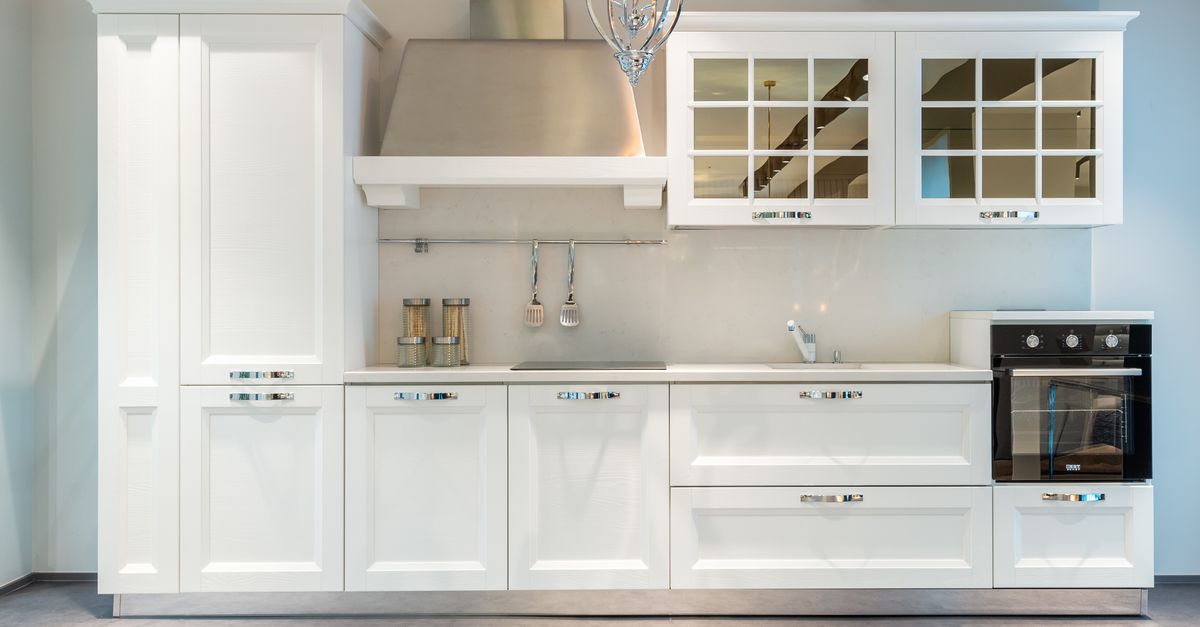
In traditional kitchen designs, high-gloss finishes are employed more selectively, adding a touch of elegance while maintaining a classic feel. Cabinetry with traditional profiles, like raised panels or beadboard, can benefit from a high-gloss sheen, highlighting intricate details and craftsmanship. The combination of rich woods and polished surfaces creates a harmonious blend that respects the heritage of the design while still embracing modern techniques. Thus, even within a more classic framework, high-gloss finishes provide an opportunity to enhance surfaces and bring a contemporary flair to timeless spaces.
Blending Classic Elements with Contemporary Styles
Incorporating high-gloss finishes into kitchen designs allows for a unique fusion of classic and modern aesthetics. These reflective surfaces can highlight traditional cabinetry and vintage-inspired hardware, creating a striking juxtaposition that appeals to both nostalgic and contemporary sensibilities. The shiny finish can elevate the appearance of classic materials, such as dark wood or marble, emphasizing their rich textures while introducing a modern flair. Designers often choose sleek lines and minimalist elements to complement ornate details, resulting in spaces that feel both timeless and fresh.
The careful selection of color palettes further enhances this blend of styles. Rich, saturated colors in high-gloss finishes can evoke historical elegance, while lighter hues and neutrals align with modern design trends. This approach invites creativity, allowing homeowners to personalize their kitchens with unique combinations that reflect their taste. By artfully merging classic charm with cutting-edge design elements, the overall aesthetic can deliver a sophisticated yet inviting ambience, making the kitchen a true centerpiece of the home.
Environmental Considerations in High-Gloss Finishing
High-gloss finishes have become increasingly popular in luxury kitchen designs, yet their environmental impact warrants careful consideration. The manufacturing processes for these finishes often involve volatile organic compounds (VOCs) and other chemicals that can harm indoor air quality. Designers and homeowners should be aware of the potential emissions and opt for products certified for low VOC levels, which help ensure a healthier living environment.
Moreover, the sustainability of materials used in high-gloss finishes is crucial. Many manufacturers now offer eco-friendly alternatives that utilize recycled materials or non-toxic coatings. Selecting cabinets with sustainable finishing processes not only reduces environmental harm but also supports better resource management in the home improvement industry. Focusing on responsible material choices contributes positively to both the kitchen aesthetics and the planet's well-being.
Sustainable Practices and Material Choices
The pursuit of sustainability in high-gloss finishes involves careful selection of materials that minimize environmental impact. Eco-friendly coatings and finishes made from renewable resources become increasingly popular among designers aiming for luxurious aesthetics without compromising ecological values. Manufacturers are now offering advanced options that utilize low-VOC (volatile organic compounds) chemicals, reducing harmful emissions during application. This shift aligns with the broader industry trend toward greener solutions, benefiting both consumers and the planet.
Another crucial aspect of sustainable practices is the durability and longevity of materials chosen for high-gloss finishes. High-quality finishes ensure that surfaces withstand wear and tear, reducing the need for frequent replacements. This not only conserves resources but also reflects a commitment to quality craftsmanship. As more consumers develop a preference for environmentally responsible products, designers have the opportunity to embrace innovative finishes that merge luxury with sustainability.
Cost Implications of High-Gloss Finishes
Investing in high-gloss finishes for kitchens often involves a higher upfront cost compared to matte or textured options. The materials used to achieve a reflective surface can be more expensive, and the processes required to create that perfect shine can also add to labor costs. Customization plays a significant role as well; tailored cabinetry and bespoke components typically carry a premium price tag.
Over time, high-gloss finishes may contribute to a kitchen’s overall value. Homebuyers tend to be drawn to luxurious, modern aesthetics, making such finishes potentially appealing during resale. Upkeep is essential, as maintaining the finish requires specific cleaning products and techniques to prevent scratches and dullness. While initial expenses may be substantial, they take on a different light when considering long-term enjoyment and return on investment.
Budgeting for Luxury Kitchen Features
When planning a luxury kitchen, budgeting is a critical aspect that requires careful consideration. High-gloss finishes, known for their sleek appearance and reflective quality, can elevate the overall aesthetic of the space. However, the cost of these finishes often surpasses that of traditional materials. Homeowners need to account for factors such as quality, maintenance, and installation when determining how much to allocate for this design choice.
Investing in high-gloss options can add significant value to a home, but it's essential to balance desires with financial realities. Exploring different materials can also lead to more affordable alternatives without sacrificing style. Prioritizing specific features, such as cabinetry or countertops, can help in making informed decisions that align with both the vision and the budget.
FAQS
What are high-gloss finishes, and why are they popular in luxury kitchen designs?
High-gloss finishes are smooth, shiny coatings applied to surfaces that reflect light, creating a sleek and modern look. They are popular in luxury kitchen designs because they enhance aesthetics, make spaces feel larger, and are easy to clean.
How do high-gloss finishes differ in modern versus traditional kitchen designs?
In modern kitchen designs, high-gloss finishes are often used to create a minimalist and contemporary aesthetic, while in traditional designs, they may be blended with classic elements to add a touch of elegance without overpowering the overall style.
What are some environmental considerations when using high-gloss finishes?
Environmental considerations include the choice of materials and the production processes used for high-gloss finishes. It's essential to select options that minimize harmful emissions, are made from sustainable sources, and utilize eco-friendly production methods.
Are there sustainable practices for applying high-gloss finishes in kitchens?
Yes, sustainable practices include using low-VOC (volatile organic compounds) paints and finishes, sourcing materials from renewable resources, and opting for finishes that have a longer lifespan, reducing the need for frequent replacements.
How can I budget for high-gloss finishes in a luxury kitchen renovation?
To budget for high-gloss finishes, consider the cost of materials, labor, and any additional treatments required for installation. It's also wise to compare prices across different suppliers and factor in the long-term value of durable, high-quality finishes.
Related Links
How to Incorporate Metal Accents into Cabinet FinishingExploring the Impact of Natural Wood Textures in Cabinetry
Creative Uses of Glass in Cabinet Finishing Options
Enhancing Home Aesthetics with Unique Textured Cabinet Designs
Transformative Effects of Patterned Laminate in Cabinet Design
The Benefits of Sustainable Finishes for Cabinetry Projects
Innovative Paint Techniques for Stunning Cabinet Surfaces