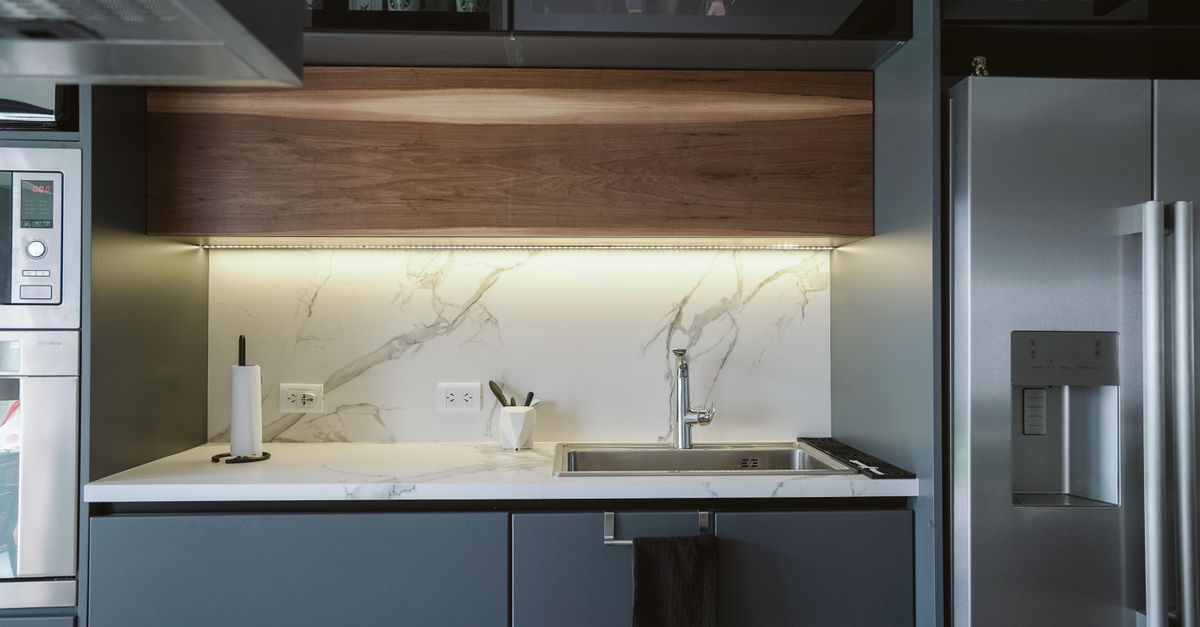
Innovative Paint Techniques for Stunning Cabinet Surfaces
Table Of Contents
Creative Color Schemes to Revitalize Your Cabinets
A fresh coat of paint can breathe new life into your cabinets, significantly transforming the appearance of your kitchen or bathroom. Consider bold hues that make a statement or soft pastels that bring a sense of tranquility. Experimenting with different shades can create an engaging visual experience, especially when pairing colors in contrasting or complementary ways. Deep blues and rich greens can evoke a sense of sophistication, while warm yellows and vibrant reds may energize the space, making it feel more inviting.
Another approach to revitalizing cabinets is using two-tone schemes. This technique adds depth and character, especially when the upper and lower sections of cabinets are painted in different colors. Incorporating a neutral tone as a base can balance brighter accents effectively. Using glossy finishes for certain colors can enhance light reflection, making spaces appear larger and more open. Consider how the colors interact with the surrounding decor and lighting to achieve the desired atmosphere in your home.
Choosing Complementary Colors for Different Spaces
Selecting the right colors can dramatically influence the ambiance of your kitchen or bathroom. In a small space, lighter shades can create an illusion of openness, while deeper tones can enhance a more intimate atmosphere. Choosing complementary colors for cabinets works best when they harmonize with the surrounding elements. For instance, if the walls are painted in a soft gray, a crisp white or a muted navy can provide a stunning contrast, enhancing the overall aesthetic without overwhelming the room.
In larger spaces, bolder choices allow for a richer palette. Consider using dark cabinets against lighter walls to create depth and visual interest. Pairing vibrant hues with neutral backgrounds is another effective strategy. A pop of teal or mustard yellow can add personality to an otherwise subdued environment. Always take into account the natural light available in the space, as it can significantly affect how colors appear throughout the day.
Unique Patterns and Textures
Exploring various patterns and textures can transform standard cabinetry into artistic focal points. For a modern twist, consider geometric shapes or chevron patterns created with painter's tape. This technique allows for sharp lines and precise designs that catch the eye. Alternatively, experimenting with faux textures, such as a wood-grain finish or a brushed-metal effect, adds dimensionality and depth to flat surfaces.
Another engaging method involves using sponges or rags to create a softer, marbled appearance. These techniques lend a handcrafted feel, transforming everyday cabinets into customized masterpieces. Distressing techniques, like sanding or applying glaze over a base color, add character and a vintage charm that can elevate the aesthetics of any room. The right approach not only revitalizes cabinetry but also showcases personal style effectively.
Incorporating Stenciling and Distressing Techniques
Stenciling offers an excellent way to add visual interest to cabinet surfaces, allowing for intricate designs that suit a variety of aesthetics. Using pre-made stencils or creating your own, you can apply unique patterns that resonate with the overall theme of your space. This technique works best with contrasting paint colors, making designs stand out. Consider using stencils on the cabinet doors or drawer fronts, as these areas draw the eye and enhance the furniture's character.
Distressing techniques can also elevate the look of your cabinets by introducing a charming, vintage appeal. This process involves intentionally creating signs of wear, such as scratches, chipped paint, and worn edges. Techniques like sanding or using a damp sponge technique can achieve this effect. A distressed finish creates depth and invites warmth, making the cabinetry feel more inviting. Combining stenciling with distressing can lead to beautifully layered surfaces that showcase creativity and craftsmanship.
Maintaining Your Painted Cabinets
Regular upkeep is essential for preserving the beauty of painted cabinets. Dust and debris can accumulate over time, making surfaces appear dull. A soft cloth or microfiber cloth is effective for routine cleaning. Avoid harsh chemicals that can strip the paint and damage the finish. Instead, use a gentle dish soap mixed with water for cleaning. This method maintains the paint's integrity while keeping surfaces fresh.
To protect the finish, consider applying a clear coat after the initial paint job. This layer not only enhances durability but also provides an extra shield against scratches and stains. If you notice chips or peeling, address them promptly to prevent further damage. Touching up small problem areas helps maintain a seamless look. Regular inspections can make a significant difference in achieving long-lasting, vibrant cabinets.
Best Practices for Long-Lasting Finish
Preparing the surface before painting is crucial for achieving a durable finish. Start by cleaning the cabinets thoroughly to remove grease and dirt. Sanding the surfaces helps create a better bond between the paint and wood. After sanding, wipe down the surfaces with a damp cloth to eliminate dust particles. It's essential to apply a quality primer that suits the type of paint you plan to use. Primer not only enhances adhesion but also prevents stains from bleeding through.
Once the primer is dry, select a high-quality paint designed for cabinetry. Opt for a paint with a satin or semi-gloss finish to ensure durability and ease of cleaning. Apply paint in thin, even coats, allowing each layer to dry completely before adding another. This step avoids drips and ensures a smoother final appearance. To further protect the finish, consider adding a clear topcoat. This additional layer provides extra resilience against scratches and wear, keeping your cabinets looking fresh for years.
FAQS
What types of paint are best for cabinets?
The best types of paint for cabinets are typically acrylic latex paint, oil-based paint, and chalk paint. Each has its advantages, such as durability and ease of application, so choose one based on your specific project needs.
How do I choose a color scheme for my cabinets?
To choose a color scheme, consider the overall theme of your space, the color of your walls, and any existing decor. Complementary colors often work well together, so use a color wheel for guidance and test samples on your cabinets before finalizing your choice.
What are some popular techniques for adding patterns to cabinets?
Popular techniques include stenciling, sponging, and using painter's tape to create geometric designs. Distressing can also add character to your cabinets, giving them a vintage or rustic look.
How can I maintain the finish on my painted cabinets?
To maintain the finish on your painted cabinets, clean them regularly with a mild soap and water solution, avoid abrasive cleaners, and touch up any chips or scratches promptly. Additionally, consider applying a topcoat for added protection.
Are there any specific tools recommended for painting cabinets?
Yes, recommended tools include high-quality paintbrushes, foam rollers, painter’s tape for clean lines, and a sanding block for prepping surfaces. A sprayer can also be beneficial for achieving a smooth finish on larger areas.
Related Links
Exploring the Impact of Natural Wood Textures in CabinetryEmbracing Mixed Materials in Modern Cabinet Design
Creative Uses of Glass in Cabinet Finishing Options
Enhancing Home Aesthetics with Unique Textured Cabinet Designs
Transformative Effects of Patterned Laminate in Cabinet Design