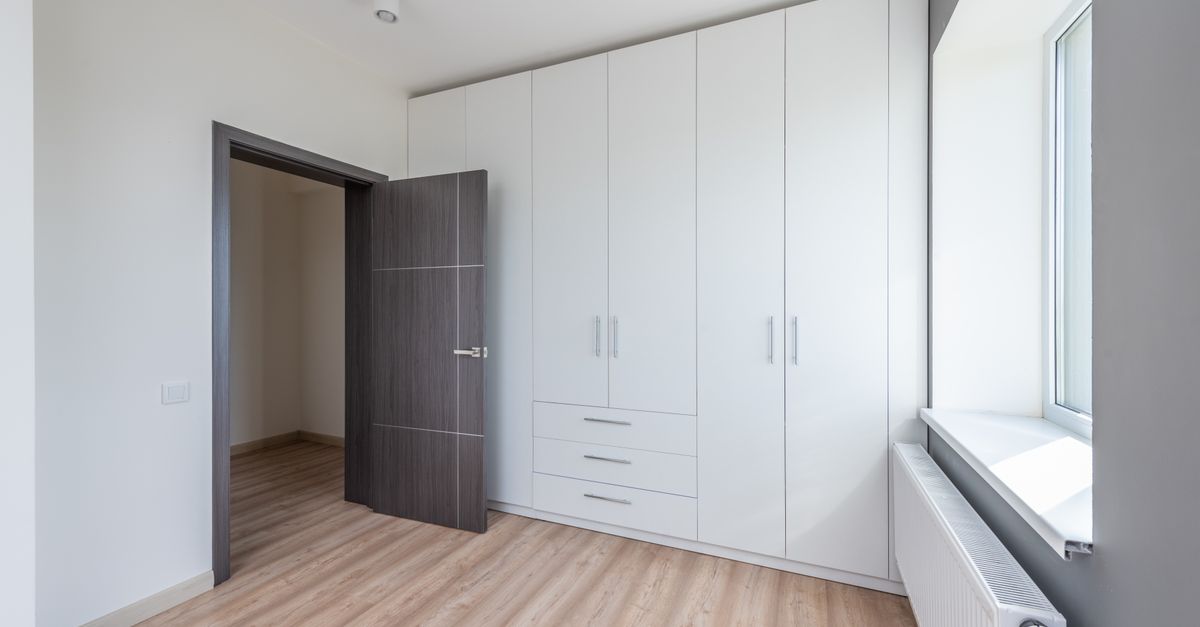
Embracing Mixed Materials in Modern Cabinet Design
Table Of Contents
Techniques for Combining Different Materials
Incorporating mixed materials in cabinet design opens up a world of creative possibilities. Combining wood, metal, glass, or even stone can enhance both aesthetics and functionality. One effective technique is to use contrasting materials in complementary ways. For instance, pairing a sleek metal frame with warm wooden surfaces can create a dynamic visual appeal. Another approach involves using different textures to establish depth and interest. A smooth glass front combined with a rough wood finish can transform a simple cabinet into a focal point of the room.
When integrating different materials, it's essential to consider the balance between durability and style. Using structural materials for the main framework ensures long-lasting performance, while decorative elements can introduce a touch of individuality. Mixing in colors also plays a significant role; choosing a color palette that harmonizes with the overall design will create a cohesive look. Designers often use shared finishes across various materials to tie everything together seamlessly, thereby enhancing the cabinet's overall design coherence.
Creative Approaches to Design Integration
Mixing materials in cabinet design opens up a world of creative possibilities. Homeowners and designers alike can explore various combinations, such as pairing rich woods with sleek metals or incorporating glass inserts to add depth. Utilizing contrasting textures not only enhances the visual appeal but also allows for greater personalization. This layering of materials can help create a unique aesthetic that reflects individual style while maintaining functionality.
Incorporating elements like open shelving alongside closed cabinets can further enhance the design. The use of contrasting colors and finishes establishes a dynamic look that draws attention. Additionally, accents of natural stone or innovative synthetics can serve as a focal point within the overall design. Engaging in thoughtful arrangement and integration of these materials can transform a standard cabinet into a striking centerpiece of the room.
Maintenance Tips for Mixed Material Cabinets
Mixed material cabinets often require specific maintenance routines to ensure their longevity. Regular cleaning is essential, and it's advisable to use a soft cloth and mild cleaning solution for most materials. Avoid harsh chemicals that can damage finishes. For wooden components, applying a wood conditioner periodically helps maintain the natural look and feel. Ensure that any metal or glass elements are treated with appropriate cleaners to prevent scratches or tarnishing.
Humidity and temperature fluctuations can affect the integrity of mixed materials. It's important to keep them in stable environments to minimize warping or cracking, especially for wooden parts. Checking seals and joints regularly can prevent moisture from entering problematic areas. Address any signs of wear or damage promptly to avoid escalating issues. Each material may have its unique needs, so familiarizing oneself with specific care instructions enhances the cabinets' overall durability.
Keeping Your Cabinets Looking New
Maintaining the appearance of mixed material cabinets requires a consistent cleaning routine. Regular dusting helps prevent buildup and protects the finishes. For surfaces made of natural wood, gentle cleaners will ensure the grain remains intact while avoiding harsh chemicals that could damage the finish. For metal or glass components, a soft cloth and appropriate cleaner can keep these materials shiny and free from smudges.
Beyond cleaning, it’s important to be aware of the environment in which the cabinets are placed. Excessive humidity may cause wood to warp, while dry air can lead to cracking. Use humidifiers or dehumidifiers to maintain optimal conditions. Additionally, keeping cabinets away from direct sunlight can prevent fading and deterioration, preserving their aesthetic appeal over time. Following these simple strategies can significantly extend the lifespan of your cabinets while ensuring they remain visually appealing.
Cost Considerations in Mixed Material Design
When it comes to mixed material cabinet designs, a careful consideration of costs is essential. Different materials come with varying price points, and this can significantly impact the overall budget of a project. High-quality woods, metals, and glass often come at a premium. However, they can also enhance the aesthetic appeal and durability of the cabinets. Balancing more expensive materials with affordable alternatives is a common strategy to maintain visual interest while managing costs effectively.
Budgeting for mixed material designs requires a comprehensive approach. It's beneficial to research and compare prices across different suppliers for each material involved. Looking for discounts or sales can also help reduce expenses. Planning for potential maintenance costs associated with various materials is equally important. Understanding the long-term investment of quality versus quantity will guide decisions that extend beyond the initial purchase, ensuring lasting satisfaction with the final design.
Budgeting for Quality and Versatility
When considering mixed materials for cabinet design, it's essential to prioritize quality. High-quality materials can significantly enhance the durability and aesthetic appeal of the cabinetry. This means investing in solid woods, high-grade laminates, or premium metals that withstand wear and tear over time. While the initial costs may be higher, the long-term benefits of reduced maintenance and replacement expenses are undeniable. Choosing versatile materials that can adapt to various styles and settings also contributes to the overall value of the investment.
Crafting a budget for mixed material cabinets requires careful planning and consideration of each material's associated costs. Opting for a combination of high-quality materials can lead to a striking design without overstretching financial resources. Researching various suppliers and exploring different styles can uncover opportunities for savings. It's also beneficial to weigh functional needs against aesthetic desires. Allocating funds for both quality and design flexibility often results in spaces that remain relevant and appealing for years.
FAQS
What are mixed materials in cabinet design?
Mixed materials in cabinet design refer to the combination of different types of materials, such as wood, metal, glass, and laminate, to create a unique and visually appealing look for cabinets.
What techniques can I use to effectively combine different materials in cabinet design?
Techniques for combining materials include contrasting textures, balancing colors, and using materials that complement each other in style. It's important to consider the overall aesthetic and functionality when integrating different materials.
How can I maintain mixed material cabinets to ensure they last?
To maintain mixed material cabinets, regularly clean them with appropriate products for each material, avoid excessive moisture, and promptly address any scratches or damage to preserve their appearance and longevity.
What budget considerations should I keep in mind when designing with mixed materials?
When budgeting for mixed material design, consider the cost of each material, potential installation fees, and the overall complexity of the design. Prioritize quality to ensure durability and versatility in your cabinet choices.
Are mixed material cabinets suitable for all home styles?
Yes, mixed material cabinets can be adapted to fit a variety of home styles, from modern and contemporary to farmhouse and traditional. The key is to choose materials and design elements that harmonize with your overall decor.
Related Links
Innovative Paint Techniques for Stunning Cabinet SurfacesThe Rise of Textured Cabinet Finishes in Contemporary Kitchens
Creative Uses of Glass in Cabinet Finishing Options
Enhancing Home Aesthetics with Unique Textured Cabinet Designs
Transformative Effects of Patterned Laminate in Cabinet Design
The Benefits of Sustainable Finishes for Cabinetry Projects