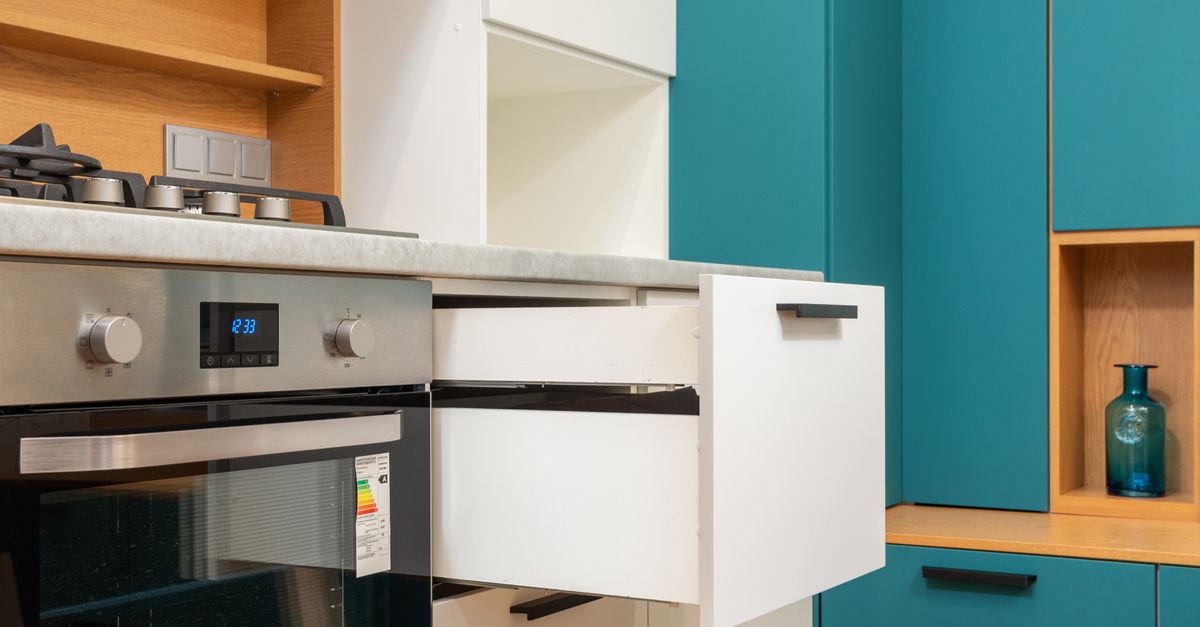
The Impact of Individual Style on Custom Cabinet Designs
Table Of Contents
The Importance of Space Planning
Effective space planning serves as the foundation for any successful cabinetry project. It involves considering the dimensions of the area, the intended use of the space, and the overall layout. Each element works together to create a functional and aesthetically pleasing environment. A well-executed plan can enhance workflow and maximize storage solutions, ensuring that the cabinetry not only fits seamlessly but also meets the needs of daily activities.
Additionally, understanding the balance between style and functionality is crucial during the design process. Custom cabinet designs can provide unique visual appeal while accommodating specific requirements for storage and accessibility. By prioritizing space planning, homeowners can ensure that their cabinetry reflects personal taste and lifestyle preferences. Thoughtful designs can transform a room into a cohesive and inviting space that truly feels personalized.
Customizing Cabinets for Optimal Layouts
Creating an optimal kitchen or living space often hinges on the clever customization of cabinets. Designers assess individual lifestyle needs to ensure that cabinetry complements daily routines. By considering both the measurements and the activities within a space, cabinets can be positioned to enhance functionality. A well-thought-out layout frequently leads to improved traffic flow, making it easier to navigate and utilize the area efficiently.
Storage solutions play a crucial role in maximizing space. Custom cabinets can incorporate features such as pull-out shelves, lazy Susans, and vertical dividers to accommodate various items. This attention to detail allows for personalized organization that reflects the homeowner's preferences. With the right design, cabinets serve not only as functional pieces but also enhance the overall aesthetic of the space.
Innovations in Cabinet Technology
Advancements in technology have significantly transformed the world of cabinetry, leading to more functional and aesthetically pleasing designs. Smart storage solutions are becoming increasingly popular, allowing homeowners to maximize their space efficiently. Features such as pull-out shelves, hidden compartments, and integrated lighting not only enhance usability but also add a modern touch to traditional cabinet styles.
The rise of digital design tools has revolutionized the custom cabinet industry. Homeowners can now visualize their spaces in 3D before any construction begins. This technology allows for greater customization, ensuring that each piece fits perfectly within the chosen layout. Furthermore, manufacturers are investing in smart tech features, such as automated drawers and remote-controlled lighting, making cabinets not just stylish but also exceptionally convenient in today’s fast-paced lifestyles.
Smart Features for Modern Living
Integrating technology into kitchen and living spaces has transformed the way we interact with our environments. Smart cabinets now come equipped with features such as integrated lighting, charging stations, and touch-activated doors. These enhancements create a seamless user experience while maximizing functionality. Designers are increasingly incorporating these elements into custom cabinetry to meet the demands of modern lifestyles.
In addition to convenience, smart features contribute to improved organization and efficiency. Motion-sensor shelving can automatically adjust height or extend for easy access to items stored at the back. Built-in appliances and smart storage solutions utilize technology to optimize space and simplify daily routines. As homeowners seek innovative solutions, the blend of technology and design becomes a crucial aspect of custom cabinet creation.
Sustainable Practices in Custom Cabinetry
The demand for sustainable practices in cabinetry has risen sharply as consumers become more environmentally conscious. Many manufacturers are now prioritizing eco-friendly materials such as bamboo, reclaimed wood, and recycled composites. These materials not only minimize the impact on forests but also reduce waste in landfills. By using non-toxic finishes and low-VOC adhesives, companies aim to maintain indoor air quality while still producing high-quality, durable products.
Design approaches also emphasize sustainability by incorporating modular components, allowing for easier upgrades and repairs. This adaptability extends the lifespan of cabinets, promoting a more circular economy. Additionally, energy-efficient manufacturing processes are being adopted, reducing the overall carbon footprint of cabinet production. This shift towards sustainable practices not only benefits the environment but also aligns with the values of many modern consumers looking to invest in long-lasting home solutions.
Eco-Friendly Materials and Design Approaches
Sustainability in cabinet design increasingly emphasizes the use of eco-friendly materials. Many manufacturers are turning to reclaimed wood, which reduces the demand for freshly harvested timber. Bamboo is another popular choice due to its rapid growth and renewability. Low-VOC (volatile organic compounds) finishes and adhesives further enhance the eco-friendliness of the cabinetry, ensuring healthier indoor air quality while minimizing environmental impacts.
Incorporating sustainable practices also involves thoughtful design approaches that prioritize longevity and functionality. Modular designs allow for easy repairs and upgrades, extending the life of the cabinets. Focused craftsmanship ensures that every piece is built to last, reducing waste over time. Additionally, utilizing local materials can decrease the carbon footprint associated with transportation, benefiting both the environment and local economies.
FAQS
What is the significance of individual style in custom cabinet designs?
Individual style plays a crucial role in custom cabinet designs as it reflects the homeowner's personality and preferences, ensuring that the cabinets not only serve functional purposes but also enhance the overall aesthetic of the space.
How can space planning affect the design of custom cabinets?
Space planning is essential in custom cabinet design as it determines the optimal layout and functionality of the cabinets. A well-planned space can maximize storage, improve accessibility, and create a harmonious flow in the room.
What are some innovative technologies used in custom cabinetry?
Innovations in custom cabinetry include smart features such as integrated lighting, automated opening systems, and built-in charging stations. These technologies enhance convenience and modernize the functionality of cabinets.
What eco-friendly materials are commonly used in custom cabinetry?
Common eco-friendly materials used in custom cabinetry include bamboo, reclaimed wood, and low-VOC finishes. These materials not only reduce environmental impact but also contribute to healthier indoor air quality.
How can homeowners ensure their custom cabinets align with their individual style?
Homeowners can ensure their custom cabinets align with their individual style by collaborating closely with designers, selecting personalized finishes, colors, and hardware, and considering their lifestyle needs during the design process.
Related Links
The Future of Tailored Cabinet Solutions in Interior DesignTrends in Custom Finishes for Bespoke Cabinets
Unique Customisation Options to Suit Every Lifestyle
Combining Form and Function with Customised Cabinetry
Emerging Customisation Techniques in Cabinet Design
The Rise of Bespoke Cabinet Solutions in Newcastle
Tailoring Cabinetry: How Customisation Enhances Functionality
Innovative Custom Features in Newcastle Cabinetry Trends
Exploring Personalised Cabinet Designs for Modern Homes