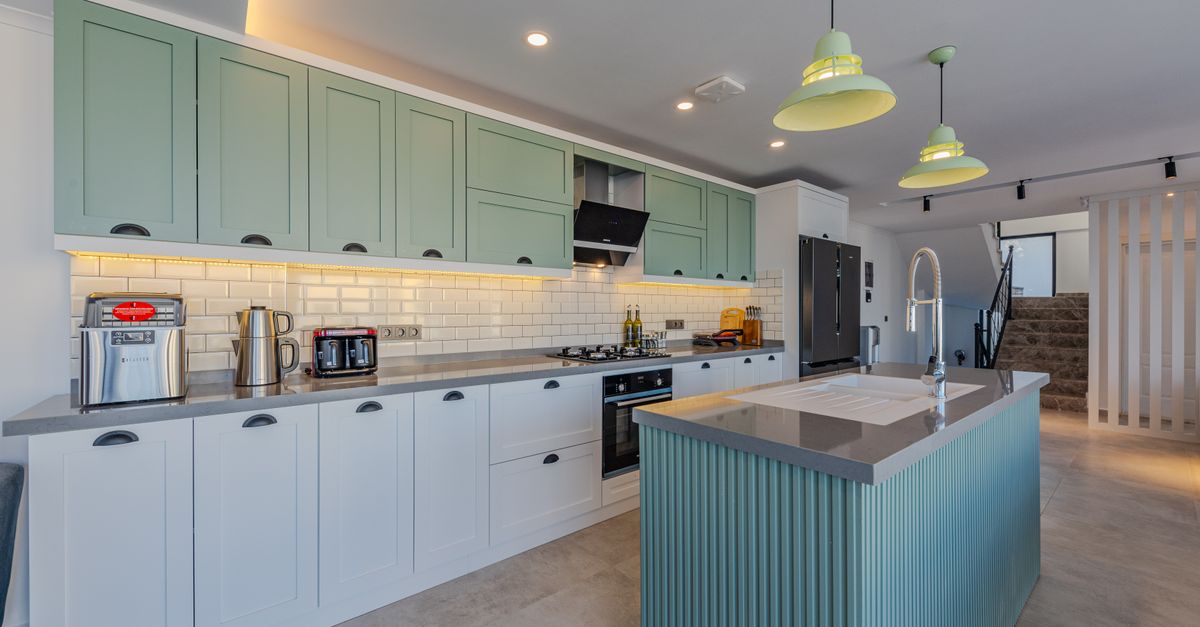
Tailoring Cabinetry: How Customisation Enhances Functionality
Table Of Contents
Enhancing Storage with Custom Cabinetry
The right cabinetry can transform a cluttered space into an organized haven. Custom cabinetry offers the chance to maximize storage in both small and large areas. Tailored features such as pull-out shelves, hidden compartments, and multi-functional units allow homeowners to utilize every inch efficiently. This personalization ensures that every item has a designated place, making everyday living feel seamless and less stressful.
Incorporating specific storage solutions, such as built-in bins and adjustable shelving, adds versatility to the design. Unique dimensions allow the cabinetry to fit perfectly into awkward corners or nooks, optimizing the functionality of otherwise unused areas. Customization extends beyond mere aesthetics, addressing the practical needs of the household. With a design that reflects personal style while maximizing utility, customized cabinetry becomes an essential element of modern living spaces.
Innovative Organisational Solutions
Custom cabinetry offers a range of innovative organisational solutions tailored to specific needs. Implementing pull-out shelves maximizes accessibility, allowing easy retrieval of items stored at the back of deep cabinets. Incorporating divided drawers can efficiently manage utensils or office supplies, reducing clutter and enhancing productivity. Custom inserts for everything from pantry items to craft supplies ensure that every inch of space is utilized effectively.
Designs can also feature vertical dividers that create designated spaces for things like cutting boards or baking sheets. These thoughtful details eliminate chaos and help maintain an orderly environment. Built-in solutions, such as spice racks or lazy Susans, add convenience while making items easier to find. Overall, the ability to customize ensures that the cabinetry supports specific routines and enhances overall efficiency in the home or workspace.
Custom Cabinet Styles to Consider
When selecting cabinetry, the style can significantly influence the overall aesthetic of the space. Modern designs often emphasize sleek lines, minimal ornamentation, and a neutral color palette, creating a clean and sophisticated look. On the other hand, traditional cabinetry showcases detailed finishes, ornate moldings, and rich, warm wood tones, providing a classic and timeless appeal. Both styles offer unique advantages, catering to different preferences and interior themes.
Incorporating a hybrid approach allows homeowners to mix elements from various styles, resulting in a more personalized space. For example, one might combine the practicality of modern functionality with the charm of traditional detailing. This blend can create a unique signature look that enhances the environment while retaining the desired utility. Ultimately, the chosen cabinet style should reflect individual taste and harmonize with the existing decor of the home.
Modern vs. Traditional Designs
Contemporary cabinetry designs often emphasize sleek lines, minimalism, and functionality. These modern styles integrate materials like glass, metal, and high-gloss finishes. The focus on open spaces and simplicity creates a clean aesthetic that many homeowners find appealing. Features such as hidden handles and modular systems enhance usability while keeping the look fresh and updated.
In contrast, traditional cabinetry evokes warmth and intricate craftsmanship. This style showcases rich wood tones, ornate details, and classic hardware. Often viewed as timeless, traditional designs can add a sense of history and elegance to a home. Customizations can include raised panel doors, decorative moldings, and rustic elements that connect with a more classic aesthetic. Both styles offer unique benefits, catering to different tastes and functional needs in any setting.
The Process of Custom Cabinet Creation
Creating custom cabinetry involves several structured steps that ensure the final product aligns with the homeowner's vision and functionality needs. Initially, a thorough consultation takes place, where the clients express their requirements, preferences, and any design inspiration they might have. This phase often includes measuring the space to guarantee that the cabinetry will fit perfectly. Following this, designers develop detailed plans and renderings to offer a visual representation. This helps in making necessary adjustments before proceeding to actual construction.
Once the designs are finalized, the materials selection process begins, allowing clients to choose finishes, hardware, and other features. Skilled craftsmen then bring these designs to life, employing advanced techniques and tools. Installation typically involves careful attention to detail to ensure each piece fits seamlessly within the designated space. Communication between the designer and the client remains crucial throughout this process, ensuring that each cabinet meets the expected standards of quality and functionality.
Steps from Concept to Installation
The journey of custom cabinetry begins with a thorough consultation between the client and the designer. During this initial meeting, preferences, needs, and functional requirements are discussed in detail. Measurements of the space are taken to ensure an accurate fit, while existing styles and design inspirations are shared. This collaboration sets the foundation for creating a personalized layout that suits both aesthetic desires and practical usage.
Following the consultation, detailed designs are drafted. These blueprints include specifications for materials, finishes, and hardware choices, allowing clients to visualize the final product. Once the designs are approved, the production phase commences. Skilled craftsmen meticulously build the cabinetry using high-quality materials. After construction, the installation team carefully places the cabinets in the designated spaces, ensuring everything is aligned and functional before completing the project.
FAQS
What are the benefits of custom cabinetry over pre-made options?
Custom cabinetry offers tailored solutions that maximize space, enhance functionality, and reflect personal style, providing better quality and durability compared to pre-made options.
How can custom cabinetry enhance storage?
Custom cabinetry allows for innovative organisational solutions, such as built-in compartments and adjustable shelving, which can be designed specifically to fit the unique dimensions and storage needs of your space.
What styles of custom cabinets are available?
There are a variety of styles to consider, including modern, traditional, contemporary, and transitional designs, each offering unique aesthetics and functionality to suit your home.
What is the typical process for creating custom cabinetry?
The process generally involves several steps, including an initial consultation to discuss your needs, designing the cabinetry, selecting materials, and finally, installation by skilled craftsmen.
How long does it take to create and install custom cabinetry?
The timeline can vary depending on the complexity of the project and the materials chosen, but typically, the entire process from concept to installation can take anywhere from a few weeks to several months.
Related Links
The Rise of Bespoke Cabinet Solutions in NewcastleInnovative Custom Features in Newcastle Cabinetry Trends
Unique Customisation Options to Suit Every Lifestyle
Combining Form and Function with Customised Cabinetry
Emerging Customisation Techniques in Cabinet Design
The Future of Tailored Cabinet Solutions in Interior Design
The Impact of Individual Style on Custom Cabinet Designs
Trends in Custom Finishes for Bespoke Cabinets