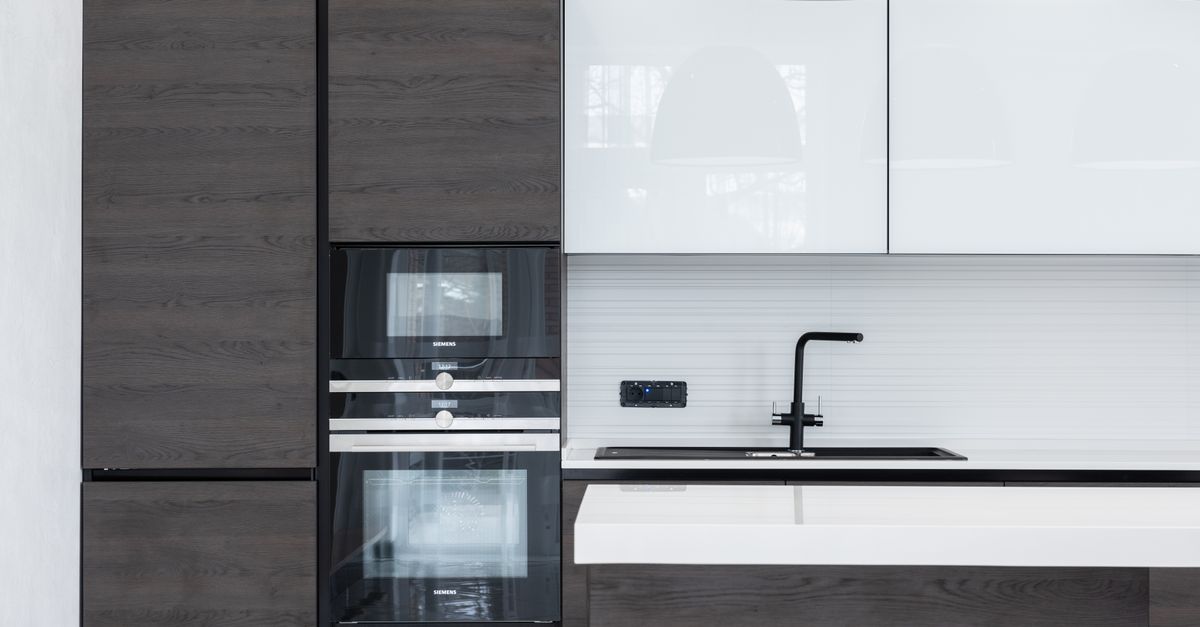
Transforming Old Cabinets: A Newcastle Case Study
Table Of Contents
Budgeting for Your Cabinet Project
Establishing a budget is crucial when embarking on a cabinet transformation project. Determine the overall cost range you’re willing to invest. This may include materials, tools, and finishes. Research different suppliers for pricing on wood, hardware, and paint options. Labor can significantly impact your budget, whether you choose to tackle the project yourself or hire professionals. Factor in unexpected costs that may arise throughout the process, ensuring a cushion for any surprises.
After outlining your budget, prioritize which components of the project are most important to you. Start by identifying where to allocate more funds, such as high-quality materials or custom features. This will help in making informed decisions later. Keeping track of expenses as you progress can aid in preventing overspending. Regularly reassessing your budget during the project can better align the transformation with your financial capabilities.
Key Costs to Consider
When embarking on a cabinet transformation project, several key expenses can impact your overall budget. Materials such as paint, hardware, and finishes should be taken into account. Depending on the design, the cost of new cabinet doors or additional organizational features can add significant expenses. Labor costs also vary greatly, especially when hiring professionals, so obtaining estimates from multiple sources is advisable.
Another important consideration is the potential need for structural changes or repairs. If the existing cabinets exhibit signs of damage or wear, addressing these issues can drive up costs. Furthermore, factors like tools and equipment rentals must not be overlooked, particularly if you choose a DIY approach. Planning for these varied costs can help ensure a successful budget that supports your renovation goals.
Planning the Renovation Process
The renovation process requires careful planning to ensure a smooth execution. Start by assessing the current state of your cabinets; check for structural integrity and any necessary repairs. Create a detailed inventory of what needs to be updated, including hardware, finishes, and design changes. This assessment will guide your budget and timeline. It is essential to prioritize tasks and set realistic goals, as this will help keep the project organized and within scope.
Establish a timeline that outlines each phase of the renovation. Break down the project into manageable tasks and set deadlines for each one. Consider factors like drying times for paint or finishes, potential delays due to unexpected issues, and the availability of materials. Scheduling milestones can create a sense of progress and maintain momentum throughout the project. Regularly revisit your plan to make adjustments as needed, ensuring that each step aligns with your overall vision for the cabinets.
Step-by-Step Timeline for Transformation
A successful cabinet transformation requires careful planning and execution. Begin by assessing your current cabinets and determining the scope of the project. This initial assessment will help you identify repairs, replacement needs, and the overall design direction. Next, set a realistic timeline, allowing adequate time for each phase, from research to purchasing materials. Factor in any potential delays to ensure there are no disruptions to your schedule.
Once the design and materials are finalized, preparation work can commence. This phase includes removing cabinets, sanding surfaces, and making necessary repairs. Painting or refinishing can follow this preparation, along with reinstallation of the cabinets. This step not only adds aesthetic value but also protects the surfaces. Finally, plan for final touches such as new hardware and organization systems to enhance both functionality and appearance.
DIY vs. Hiring Professionals
When considering a cabinet renovation, many homeowners weigh the choice between tackling the project themselves or hiring professionals. A DIY approach offers the possibility of significant savings, particularly for those skilled in tools and home improvement. Personal involvement allows for a customized touch, ensuring the final outcome aligns closely with the homeowner's vision. Additionally, the satisfaction of completing a project independently can be quite fulfilling. However, this route may come with challenges, including the potential for mistakes that can outweigh initial savings.
On the other hand, enlisting professionals can bring expertise and efficiency to the process. Experienced contractors have the tools and knowledge necessary to execute renovations smoothly, often completing tasks faster than a novice could. With their established relationships to suppliers, professionals can also access materials at lower costs or provide guidance on the best products to choose. This option, while generally more expensive, can save time and stress, especially for homeowners unfamiliar with renovation work.
Pros and Cons of Each Approach
DIY projects offer the advantage of cost savings, as homeowners can avoid labor fees associated with hiring professionals. Additionally, tackling a cabinet renovation independently can bring a sense of accomplishment and personalization to the project. Individuals can work at their own pace and choose materials that specifically align with their aesthetic vision. However, the process can be time-consuming and may require a range of skills, from carpentry to painting. Mistakes may lead to costly repairs and delays in completion.
On the other hand, hiring professionals guarantees a higher level of expertise and skill. Contractors often bring experience and access to specialized tools that enhance the quality of the final product. This approach typically results in a faster turnaround and potentially fewer errors during the renovation process. Nevertheless, the costs associated with professional services can be significant, impacting the overall budget for the project. Homeowners may also have limited control over the timeline and decision-making when working with a contractor.
FAQS
What is the first step in budgeting for my cabinet renovation project?
The first step in budgeting for your cabinet renovation project is to assess the current state of your cabinets and determine the scope of the work needed. This includes deciding whether you will do a full renovation, a simple update, or a complete replacement.
How can I estimate the costs involved in transforming my cabinets?
You can estimate the costs by researching the prices of materials, finishes, and fixtures you plan to use. Additionally, consider obtaining quotes from professionals if you are considering hiring help, and factor in any DIY costs, such as tools and supplies.
What is a typical timeline for a cabinet transformation project?
A typical timeline can vary depending on the extent of the work but generally includes planning, sourcing materials, the actual renovation process, and final touches. A complete project can take anywhere from a few days to several weeks.
What are the pros of DIY cabinet renovations?
The pros of DIY cabinet renovations include cost savings, the ability to customize your project to your preferences, and the satisfaction of completing the work yourself. It's also an opportunity to learn new skills.
When should I consider hiring professionals for my cabinet project?
You should consider hiring professionals if the project is complex, requires specialized skills (such as plumbing or electrical work), or if you simply don't have the time or tools to complete the renovation safely and efficiently.
Related Links
Cost-Effective Cabinet Refurbishment Options for Newcastle ResidentsThe Benefits of Refinishing vs. Replacing Cabinets
How to Select the Right Cabinet Refurbishment Expert
Understanding the Cabinet Refurbishment Process: Step by Step
Innovative Techniques in Cabinet Refurbishment
Eco-Friendly Approaches to Cabinet Refurbishment in Newcastle
Signs It's Time to Refurbish Your Kitchen Cabinets
Essential Tools for Successful Cabinet Refurbishment
Choosing the Right Finish for Your Cabinet Refurbishment Project