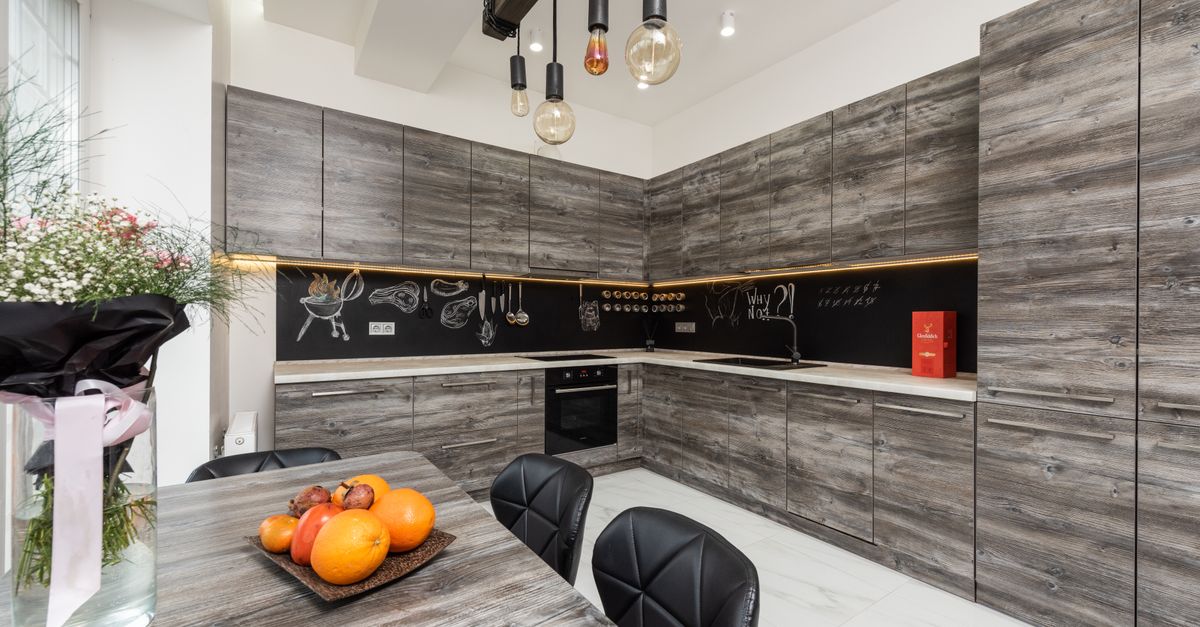
Tips for Communicating Your Vision in Cabinet Design Consultations
Table Of Contents
Prioritizing Key Features
When embarking on a cabinet design consultation, it's essential to focus on what truly matters to you and your space. Start by listing the features that will enhance functionality and aesthetics. Consider how you will use the cabinets day-to-day. This could include storage capacity, accessibility, and style. Weighing these factors helps create a clear picture of what you want, making it easier for designers to understand your vision.
After identifying the primary features, prioritize them based on necessity and impact. Some elements may hold greater significance depending on your lifestyle or the existing layout of your kitchen or bathroom. By ranking these features, you can emphasize what is non-negotiable in your design. This structured approach facilitates more effective dialogue with your designer, ensuring that the final result aligns closely with your expectations.
Identifying Must-Have Elements
When beginning any cabinet design consultation, it's crucial to pinpoint your must-have elements. These features serve as the foundation for your vision. Think about the styles that resonate with you, the functionality you desire, and how the cabinets will integrate with your overall space. Consider specifics such as storage capacity, shelving configurations, and the functionality of drawers versus cabinets.
Incorporating personal preferences also plays a vital role in this process. For instance, if you have an affinity for open shelving or specific decorative accents, these should be clearly communicated to your designer. Identifying these essential elements early on will streamline the decision-making process and ensure that the resulting designs reflect your individual needs and aesthetic preferences.
Setting a Realistic Budget
Establishing a budget is essential for a successful cabinet design consultation. Begin by assessing your financial limits and identifying areas where you can allocate funds effectively. Consider the overall scope of the project, potential costs associated with different materials, and labor expenses. Having a clear understanding of your budget helps set realistic expectations for the consultation and ensures that the designer can provide options that align with your financial framework.
Discussing costs upfront fosters transparency and allows for effective planning. Engage with your designer about the value you expect in return for your investment. This conversation can clarify priority features while allowing flexibility within your budget. By being open about your financial goals, both you and the designer can collaborate more effectively to create a design that meets your needs without compromising on quality.
Discussing Costs and Value Expectations
Open and honest conversations about costs ensure alignment between client expectations and project offerings. It's crucial to provide a clear breakdown of what each segment of the cabinet design will entail, focusing on not just the initial outlay, but also the long-term value that specific choices may contribute. By discussing elements like durability and maintenance, clients can better understand how their investments translate into functionality and aesthetics over time.
Establishing value expectations involves more than just numbers. It encompasses the craftsmanship, the materials used, and the potential lifespan of the cabinets. Highlighting these factors during consultations can elevate the perceived worth of certain options. Clients appreciate knowing how their selections can enhance their space and cater to their lifestyle, reinforcing the importance of strategic investment in quality over time.
Exploring Material Options
When it comes to cabinet design, the choice of materials plays a pivotal role in both aesthetics and functionality. Different woods, such as maple, oak, or cherry, offer unique grain patterns and colors that can enhance the overall look of your space. Additionally, the finish applied to these woods can significantly affect durability and maintenance. It's essential to consider whether you prefer a natural finish that showcases the wood's beauty or a painted option for a more contemporary feel.
Exploring hardware options is equally important. The right knobs, pulls, and hinges can add character and complement the chosen materials. Various styles and finishes are available, from sleek stainless steel to vintage bronze. Discussing these elements with your designer can lead to an cohesive vision that aligns with your personal style and practical requirements, ensuring your cabinets not only look great but also stand the test of time.
Understanding Wood Types, Finishes, and Hardware
When designing cabinets, selecting the right wood type is crucial. Different woods offer unique characteristics in terms of durability, appearance, and cost. Popular choices include oak, maple, cherry, and birch, each bringing its own aesthetic appeal to a kitchen or bathroom. Oak is known for its strength and distinctive grain pattern, while maple offers a smoother surface ideal for a modern look. Understanding the properties of each type will help you make an informed decision that complements your style.
Finishes play a significant role in enhancing the wood's natural beauty and offering protection against daily wear and tear. A variety of finishes, such as stains, paints, and varnishes, can drastically change the look of your cabinetry. Stains allow the wood grain to shine through, while paints provide a sleek, uniform appearance. Additionally, choosing the right hardware is essential for both functionality and style. Options vary widely from handles to knobs, and the material can range from brushed nickel to polished brass, impacting both the visual appeal and tactile experience of your cabinets.
FAQS
What are the key features to prioritize when communicating my vision for cabinet design?
Key features to prioritize include functionality, aesthetics, storage solutions, and the overall style that aligns with your home's design. Clearly identifying these aspects will help your designer understand your vision.
How can I determine my must-have elements for cabinet design?
Start by making a list of essential features that you believe are necessary for your space, such as soft-close drawers, pull-out shelves, or specific cabinetry styles. Discuss these elements with your designer to ensure they are incorporated into your design.
What should I consider when setting a budget for my cabinet design project?
Consider the scope of your project, including materials, labor, and any additional features you want. It’s also wise to account for unexpected costs by adding a contingency amount to your budget.
How can I effectively discuss costs and value expectations with my designer?
Be open and transparent about your budget and any constraints you have. Discuss the value of different materials and finishes, and ask questions about how they impact both the cost and longevity of your cabinets.
What are some options to explore when choosing materials for my cabinets?
Common options include various types of wood, laminate, and metal finishes. It's important to understand the pros and cons of each material type, including durability, maintenance, and aesthetic appeal, before making a decision.
Related Links
Common Misconceptions about Cabinet Design ConsultationsCollaborating with Your Cabinet Expert for Optimal Functionality
Exploring the Benefits of Virtual Cabinet Design Consultations
The Role of Technology in Modern Cabinet Design Consultations
Navigating Style Choices During Cabinet Design Consultations
Tailoring Your Space: How Cabinet Design Consultations Work
The Importance of Professional Input in Cabinet Design
What to Expect During a Cabinet Design Consultation
Effective Questions to Ask Your Cabinet Expert