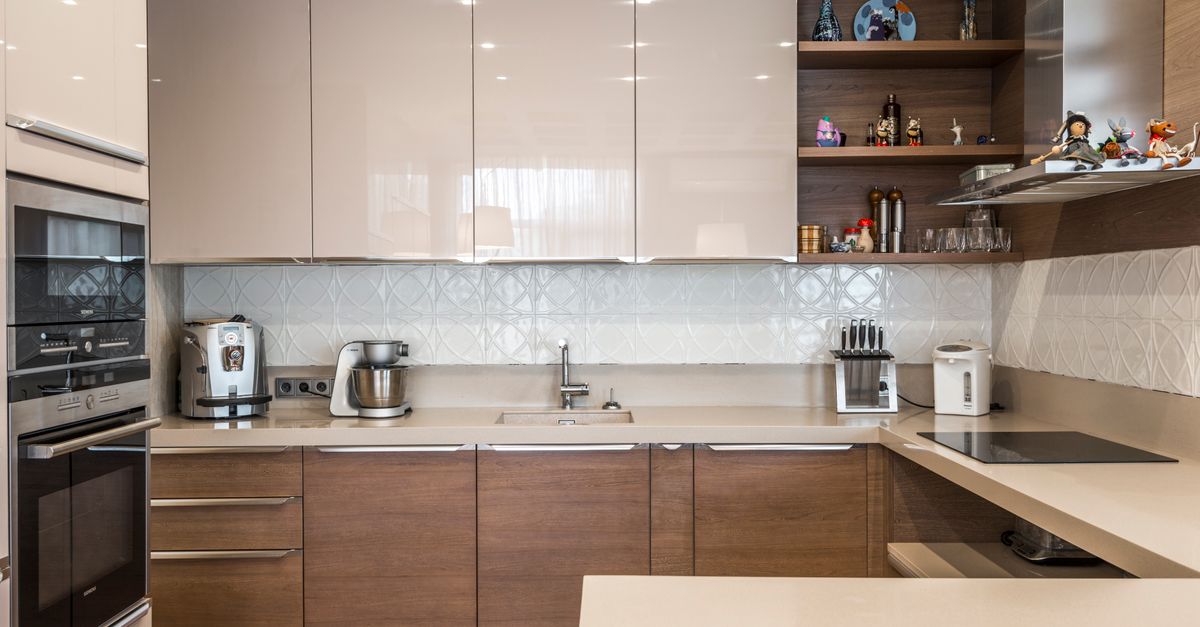
The Role of Experience in Unique Cabinet Design Solutions
Table Of Contents
The Role of Technology in Design Solutions
The integration of technology into cabinet design has revolutionized traditional methods, allowing designers to create more innovative and functional solutions. Advanced software programs enable 3D modeling and rendering, providing clients with visual representations of their projects before implementation. This technology helps streamline the design process, making it easier to experiment with different configurations, materials, and finishes. Additionally, manufacturers can utilize CNC (Computer Numerical Control) machines for precise cuts and assembly, ensuring consistent quality and reducing human error.
Smart technology has also begun to permeate cabinet design, offering features that enhance usability and efficiency. Touch-activated lighting, built-in charging stations, and automated opening mechanisms can be seamlessly integrated into cabinet designs. These features not only improve accessibility but also cater to the modern consumer's desire for convenience. By incorporating such innovations, designers can create cabinets that are not only aesthetically pleasing but also functional and responsive to user needs.
Integrating Smart Features into Cabinets
The integration of smart features into cabinetry has revolutionized the way homeowners interact with their living spaces. These advanced functionalities can range from automated lighting systems to built-in charging ports, allowing for a seamless blend of style and technology. For instance, cabinets equipped with touch-sensitive doors provide a sleek, modern look while enhancing accessibility. This fusion of innovation not only elevates the aesthetic appeal but also addresses practical needs, making daily tasks more efficient.
Additionally, smart cabinets can incorporate internet connectivity and app-controlled features, enabling users to monitor their storage or adjust settings from their smartphones. Some designs even include sensors that track inventory levels of kitchen supplies, notifying users when items are running low. This level of interactivity enhances the user experience, creating a personalized space that caters to individual preferences and lifestyles. By embracing these technologies, cabinet designers are setting new standards for functionality and client satisfaction.
Sustainable Practices in Cabinet Design
Sustainable practices in cabinet design have gained traction as consumers increasingly prioritize eco-conscious choices. Designers are now focusing on creating pieces that not only meet functional requirements but also minimize environmental impact. This shift has prompted the use of renewable materials, efficient manufacturing processes, and designs that ensure longevity, thereby reducing waste. Incorporating local sourcing into the production process also helps to decrease carbon footprints while supporting regional economies.
Incorporating sustainability often involves evaluating the life cycle of cabinet materials. For instance, many manufacturers are opting for reclaimed wood or bamboo, both of which offer aesthetic appeal and structural integrity. Utilization of non-toxic finishes further contributes to healthier indoor air quality. As more designers embrace these principles, there is potential for innovation that aligns with both consumer preferences and environmental responsibility, showcasing a commitment to future generations.
Eco-Friendly Materials and Methods
The increasing demand for eco-friendly materials in cabinet design has prompted manufacturers to explore sustainable options. Bamboo and reclaimed wood are gaining popularity due to their minimal environmental impact and aesthetic appeal. These materials not only reduce deforestation but also come with unique textures and colors that add character to any space. Additionally, low-VOC (volatile organic compounds) finishes and adhesives are commonly utilized to enhance indoor air quality, making cabinets safer for homes.
Beyond materials, the methods used in cabinet manufacturing are also evolving to prioritize sustainability. Techniques such as water-based finishes and solvent-free adhesives are becoming standard practice. Many companies are adopting energy-efficient processes that minimize waste and reduce carbon footprints. Such approaches reflect a commitment to environmental stewardship, appealing to a growing demographic that values sustainability in their furniture choices. These advancements contribute to the overall trend of creating beautiful yet responsible designs.
Case Studies of Successful Cabinet Designs
Cabinet design can greatly vary based on the specific needs and aesthetics of a space. One prime example is a custom kitchen remodel that utilized a modular cabinet system. This approach allowed the homeowners to maximize storage while maintaining a sleek and contemporary look. The cabinetry featured pull-out shelves and hidden compartments, enhancing accessibility and functionality.
In another case, a compact urban apartment effectively employed multi-functional cabinets. These designs incorporated a workspace that could be concealed when not in use. Utilizing lighter materials and bright colors, the cabinets contributed to an illusion of space while meeting the demands of a growing family. Both scenarios underscore how tailored cabinet solutions enhance living areas through creativity and practicality.
Analyzing Real-World Applications
Case studies of unique cabinet designs shed light on the application of innovative features in real-world settings. A notable example is a kitchen remodel in which custom cabinetry was designed to enhance storage while also accommodating advanced technology. These cabinets integrated wireless charging stations, allowing users to keep devices charged without sacrificing counter space. The design successfully balanced form and function, demonstrating how aesthetically pleasing solutions can enhance daily living.
Another example features a sustainable cabinetry project that utilized reclaimed wood and low-VOC finishes. This approach not only minimized environmental impact but also added a distinctive character to the space. Homeowners appreciated the unique storytelling aspect of the reclaimed materials, as each piece told a story of its origin. Such projects illustrate the growing trend in the design community to prioritize sustainability while delivering functional and visually engaging cabinetry solutions.
FAQS
What are unique cabinet design solutions?
Unique cabinet design solutions refer to innovative and customized approaches to creating cabinets that meet specific needs, preferences, and styles, often incorporating creative aesthetics and functional features.
How does experience influence cabinet design?
Experience plays a crucial role in cabinet design as it allows designers to understand the nuances of materials, construction techniques, and user preferences, leading to more effective and tailored design solutions.
What technologies are commonly used in modern cabinet design?
Modern cabinet design often utilizes technologies such as 3D modeling software, CNC machining, and smart features integration, which enhance precision, aesthetics, and functionality.
How can sustainable practices improve cabinet design?
Sustainable practices improve cabinet design by utilizing eco-friendly materials, reducing waste in the manufacturing process, and promoting energy-efficient designs that benefit both the environment and consumers.
Can you provide examples of successful cabinet designs?
Successful cabinet designs can be seen in various case studies where designers have effectively integrated smart features, sustainable materials, and innovative layouts to enhance both form and function in real-world applications.
Related Links
Why Extensive Experience Matters in Cabinet InstallationKnowing Your Cabinet Needs: Matching with the Right Expertise
Specialisations That Make Newcastle Cabinet Experts Stand Out
Key Specialisations to Look for in Newcastle Cabinet Experts
Questions to Ask About a Cabinet Expert's Specialisation
Understanding Different Levels of Experience in Cabinet Services