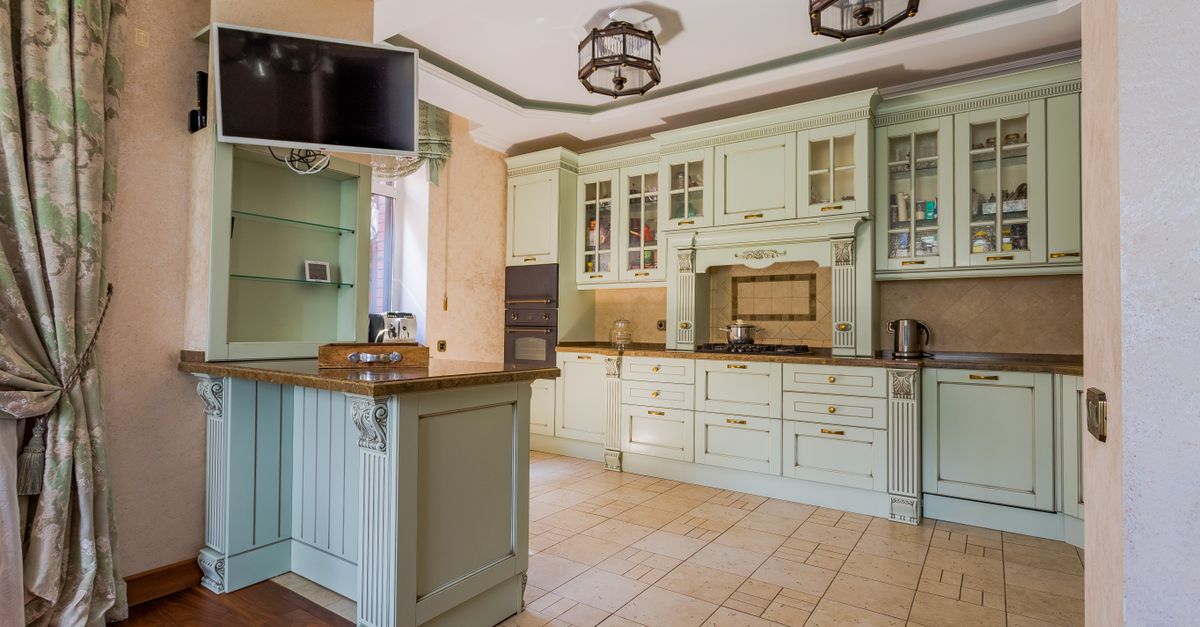
The Rise of Recycled Materials in Cabinet Design
Table Of Contents
Aesthetic Appeal of Recycled Cabinets
The unique character of recycled materials often delivers a distinctive look that sets cabinets apart from conventional designs. Each piece carries its own history and individuality, resulting in visually striking options that can enhance various interior styles. Homeowners appreciate the eclectic aesthetic that recycled cabinets provide, allowing for creative combinations and variations that may not exist in new materials. Rich textures and varied finishes contribute to a warm and inviting atmosphere, appealing to those seeking both style and substance.
Designers have embraced recycled materials as they promote sustainability without sacrificing elegance. A range of options is available, from reclaimed wood to repurposed metal and glass, enabling endless customization possibilities. Modern techniques allow artisans to craft these materials into sophisticated shapes and forms, making them suitable for contemporary spaces. The blend of sustainability and artistic expression in recycled cabinets captures the attention of eco-conscious consumers eager to make responsible choices without compromising on beauty.
Design Trends and Customization
Cabinet design is witnessing a surge in creativity as designers embrace recycled materials. This shift has led to unique and innovative furnishings that reflect individual style while promoting sustainability. Customization options abound, allowing consumers to choose from various finishes, colors, and textures. By integrating reclaimed wood, repurposed metals, and other recycled materials, designers can create striking pieces that stand out in any interior.
Homeowners increasingly seek personalized solutions that align with their values. Many manufacturers now offer modular systems, enabling customers to rearrange components based on their needs. This adaptability not only enhances functionality but also ensures that each piece resonates with the owner’s aesthetic vision. As trends continue to evolve, the focus on sustainable materials will likely inspire even more imaginative designs in cabinet making.
Cost Considerations for Recycled Cabinets
Investing in recycled cabinets can yield both short-term and long-term financial benefits. Initial costs may sometimes appear higher compared to traditional materials. However, many homeowners find that their unique aesthetics and reduced environmental impact justify the expense. Additionally, the durability of reclaimed materials often translates into lower maintenance costs over time. With proper care, recycled cabinets can withstand wear and tear, making them a practical choice for longevity.
Budgeting for sustainable options requires meticulous planning. Some recycled materials may offer competitive pricing, while others may command a premium due to their rarity or craftsmanship. It is essential to consider the overall lifecycle of the product. Evaluating factors such as installation and upkeep alongside the purchase price will help ensure that the investment aligns with your financial goals. Prioritizing long-lasting materials will ultimately contribute to lower costs down the line, making sustainability an economically sound choice.
Budgeting for Sustainable Choices
Investing in recycled cabinets often requires careful financial planning. The initial expense may seem higher compared to traditional materials, but it’s essential to consider long-term benefits. Lower maintenance costs and potential energy savings make recycled options an attractive financial choice. Homeowners may also seek out tax incentives or government programs that encourage sustainable building practices, which can offset some of the upfront costs.
Setting a budget for sustainable choices allows for flexibility in design while ensuring financial feasibility. Prioritizing key elements, such as high-quality finishes or unique customizations, can enhance the overall appeal without necessarily breaking the bank. Shoppers should also compare different suppliers and materials, as prices can vary significantly based on the source of the recycled materials and craftsmanship involved. Ultimately, thoughtful budgeting helps align eco-friendly aspirations with practical financial realities.
Comparing Recycled vs. Traditional Materials
Recycled materials offer a compelling alternative to traditional options, often boasting unique textures and character. These resources frequently carry stories of their previous lives, adding an element of authenticity that can enhance the overall aesthetic of a space. In contrast, traditional materials typically provide consistency and familiarity, appealing to those who favor a classic look. While variety exists within both categories, recycled materials can sometimes present challenges in terms of uniformity.
The performance and durability of recycled cabinets vary widely based on the materials and methods used in their production. Many modern techniques have greatly improved the strength and resilience of recycled options, aligning them more closely with traditional counterparts. Traditional materials, such as solid wood or plywood, are often praised for their longevity and reliability. Understanding these differences is crucial for consumers seeking to make informed decisions that balance both style and functionality.
Performance and Durability
Recycled materials in cabinet design often showcase impressive performance and durability, challenging the common perception that sustainability compromises quality. Many manufacturers employ advanced treatment processes that enhance the physical properties of recycled components. This ensures that cabinets not only meet aesthetic standards but also perform well under the demands of everyday use. The integration of materials like reclaimed wood, recycled metal, and eco-resin results in products that resist wear and tear, maintaining their functionality and appearance over time.
Furthermore, the longevity of recycled cabinets frequently exceeds that of their traditional counterparts. Environmentally-conscious consumers appreciate that a durable product contributes to less waste and fewer replacements in the long term. While initial costs can vary, the investment in recycled materials can yield significant savings over time through reduced maintenance and replacement needs. Such attributes position recycled cabinets as a practical choice for those looking to combine sustainability with lasting performance.
FAQS
What are recycled materials in cabinet design?
Recycled materials in cabinet design refer to materials that have been reclaimed or repurposed from previous products or industrial processes, reducing waste and environmental impact. These materials can include reclaimed wood, recycled metal, and repurposed plastics.
How do recycled cabinets compare aesthetically to traditional cabinets?
Recycled cabinets can offer unique aesthetic appeal, showcasing distinctive textures, colors, and patterns that may not be found in traditional materials. Many homeowners appreciate the character and individuality that recycled cabinets can bring to their spaces.
Are recycled cabinets more expensive than traditional cabinets?
The cost of recycled cabinets can vary widely depending on the materials used and the level of customization. While some recycled options may be more budget-friendly, others may be more expensive due to their unique design or sourcing. It's important to consider long-term value and savings in sustainability.
How durable are recycled cabinets compared to traditional options?
Generally, well-made recycled cabinets can offer similar durability and performance to traditional cabinets when constructed with high-quality materials. However, the durability can depend on the specific materials used, so it's essential to choose cabinets from reputable manufacturers.
Can I customize recycled cabinets to fit my design preferences?
Yes, many manufacturers offer customization options for recycled cabinets, allowing homeowners to choose finishes, colors, and configurations to suit their individual design preferences and needs. This enables a blend of sustainability and personal style in cabinet design.
Related Links
Sustainable Finishes That Enhance Your CabinetsEco-friendly Wood Choices for Modern Cabinetry
Natural Stone Materials: An Eco-Conscious Choice
Trends in Upcycled Wood for Unique Cabinet Solutions
The Impact of Sustainable Sourcing on Cabinet Designs
Combining Style with Sustainability in Kitchen Cabinets