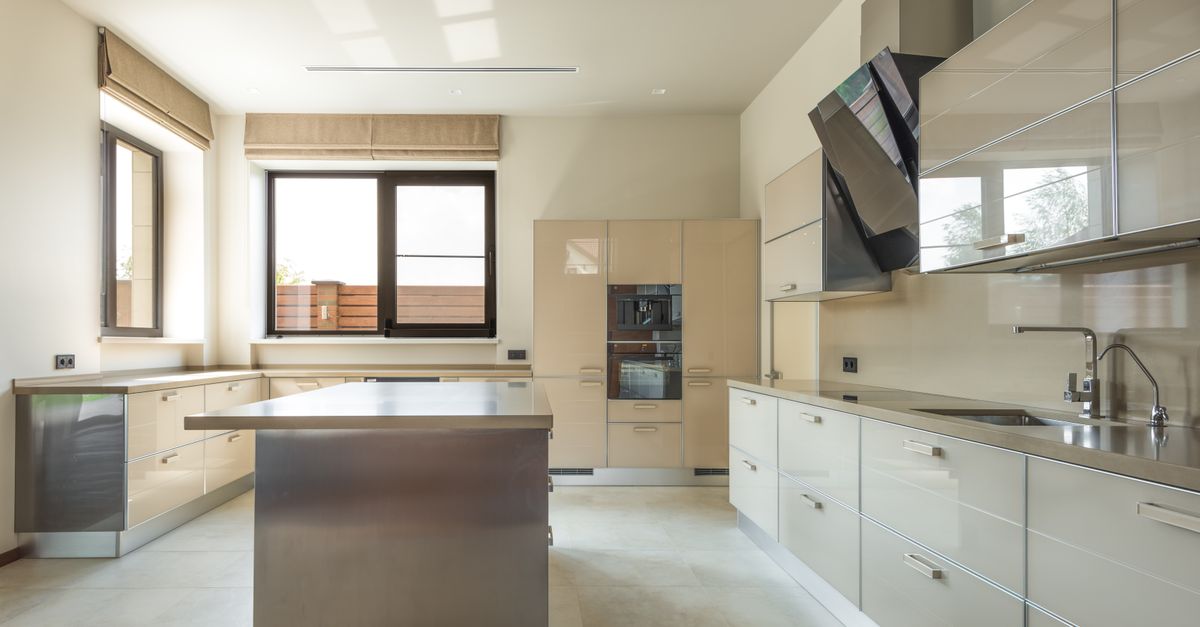
Signs Your Cabinets Need Immediate Repair Attention
Table Of Contents
Loose or Missing Cabinet Handles
Cabinet handles serve as essential components for the overall functionality of your kitchen or bathroom. Loose handles may make accessing stored items cumbersome, leading to potential frustration during daily tasks. In some cases, handles can even detach completely. This not only affects usability but may also cause damage to the cabinet doors, resulting in more extensive repairs down the line.
Missing handles can create an unattractive appearance in your cabinetry. This issue can diminish the overall aesthetic of your space, making it feel neglected. Furthermore, the absence of hardware can make it challenging to open or close doors smoothly. Addressing these minor problems promptly helps maintain both functionality and visual appeal, ensuring that your cabinets serve their purpose effectively.
Impact of Hardware Issues on Functionality
Cabinet handles and knobs serve as essential components in the functionality of kitchen or bathroom cabinets. When they become loose or even completely detached, accessing stored items can become cumbersome. This not only disrupts your daily routine but can also lead to further wear and tear on the cabinetry itself, as the constant tugging on the doors can cause misalignments or damage.
Neglecting hardware issues can escalate into more significant problems over time. A missing handle might seem trivial at first, but it can lead to a decline in overall cabinet performance. Struggling with malfunctioning hardware increases frustration levels and may discourage proper maintenance of the cabinets. Ultimately, addressing these seemingly minor issues promptly can help prolong the life of the cabinetry and ensure smooth operation.
Peeling or Bubbling Veneer
Veneer damage often signals that cabinets are struggling with environmental factors. When moisture penetrates the veneer’s surface, it can lead to peeling and bubbling. This phenomenon usually occurs in areas with high humidity or inconsistent temperature. Homeowners might notice these disruptions not only in the kitchen but also in bathrooms or laundry rooms where moisture levels fluctuate frequently.
Ignoring veneer issues can result in more extensive damage. Once the veneer begins to peel, it exposes the underlying material, making it vulnerable to further deterioration. In addition to aesthetic concerns, compromised veneer can negatively affect the structural integrity of cabinets. Repairing these veneer problems promptly can help maintain both functionality and appearance while preventing costlier repairs in the future.
Understanding the Effects of Humidity on Cabinets
Excessive humidity can lead to significant damage in cabinetry. When moisture levels rise, the materials can expand, causing the veneer to bubble or peel. This not only detracts from the aesthetic appeal of the cabinets but can also result in structural issues over time. Wood, in particular, is susceptible to changes in humidity, leading to warping or cracking, which can compromise the integrity of the cabinet installation.
Proper ventilation and maintaining a stable indoor climate are essential in reducing the effects of humidity. Using dehumidifiers during particularly humid seasons can help mitigate these risks. Regular checks can identify early signs of moisture damage, allowing for prompt intervention. Addressing these concerns early on is vital in preserving both the functionality and appearance of kitchen or bathroom cabinets.
Unstable Shelves or Supports
Cabinets that exhibit unstable shelves or supports can pose significant risks, both to the structural integrity of the storage unit and to the safety of household members. When shelves sag or show signs of weakness, it is often an indication of overloading or poor installation. This instability not only affects the appearance of the cabinets but can also lead to further damage, such as cracking or complete shelf failure.
Proper assessment of the weight capacity for each shelf is vital. Regularly checking for signs of strain can help prevent accidents, especially in kitchens or other areas where heavier items are stored. Reinforcements such as brackets or shelf supports can often be added to resolve stability issues, enhancing both the functionality and longevity of the cabinets.
Assessing the Risk of Overloaded Cabinets
Overloaded cabinets present a significant risk to the overall integrity of your kitchen storage. When shelves are burdened with excessive weight, it can lead to sagging or even complete collapse, jeopardizing not only the organization of your space but also the safety of items stored within. Regular inventory checks can help identify which areas may be over packed and require reorganization.
Evaluating the stability of cabinet supports is crucial in preventing a potential disaster. If you notice any signs of instability or wear, it’s essential to redistribute weight evenly across shelves. Implementing storage solutions, like additional shelving or using lighter materials for contents, can alleviate pressure on cabinets and extend their lifespan. Ensuring that your cabinets are loaded within safe weight limits fosters a safer and more functional kitchen environment.
FAQS
How can I tell if my cabinet handles are loose or missing?
You can check by giving each handle a gentle tug; if it wobbles or feels unsteady, it may be loose. If you notice any handles completely missing, this is a clear sign that immediate repair is needed.
What happens if I ignore hardware issues on my cabinets?
Ignoring hardware issues can lead to further damage, such as misaligned doors, difficulty in opening or closing, and ultimately, may require more extensive repairs or replacements.
What causes veneer on cabinets to peel or bubble?
Peeling or bubbling veneer is often caused by exposure to humidity, moisture, or heat, which can cause the adhesive to weaken and the veneer to separate from the wood underneath.
How does humidity affect my cabinets?
High humidity can lead to swelling and warping of the wood, causing finishes to bubble, peel, or discolor. It can also promote mold growth, which can be harmful to both your cabinets and your health.
What should I do if my cabinet shelves are unstable?
If your shelves are unstable, immediately remove any items that may cause further strain. Assess the supports and consider reinforcing them or redistributing the weight to prevent further damage. If instability persists, you may need to seek professional assistance.
Related Links
Eco-Friendly Solutions for Cabinet Repair and MaintenanceEssential Tips for Maintaining Your Cabinets in Newcastle
The Role of Cabinet Maintenance in Home Value Retention
Understanding the Costs of Cabinet Repairs in Newcastle
How to Choose the Right Repair Specialist for Your Cabinets
Cabinet Care: A Guide for Newcastle Homeowners