Minimalist Cabinetry: Achieving Cohesion in Open-Plan Living
Table Of Contents
The Role of Lighting in Minimalist Designs
Lighting plays a crucial role in defining the aesthetic and atmosphere of minimalist designs. The thoughtful arrangement of light sources can enhance the simplicity and functionality that characterize this style. Natural light should be maximized wherever possible, with large windows and open layouts allowing sunlight to flow freely. When artificial lighting is necessary, choosing sleek fixtures with clean lines can complement the overall look while avoiding visual clutter.
Incorporating layered lighting strategies adds depth to the minimalist space. Ambient lighting provides overall illumination while accent lighting can be used to highlight specific features, such as cabinetry or artwork. Dimmers are particularly beneficial, as they allow for adjustments based on mood or occasion. By harmonizing illumination with the minimalist ethos, one can create a serene and sophisticated environment that feels both inviting and stylish.
Highlighting Cabinetry and Features
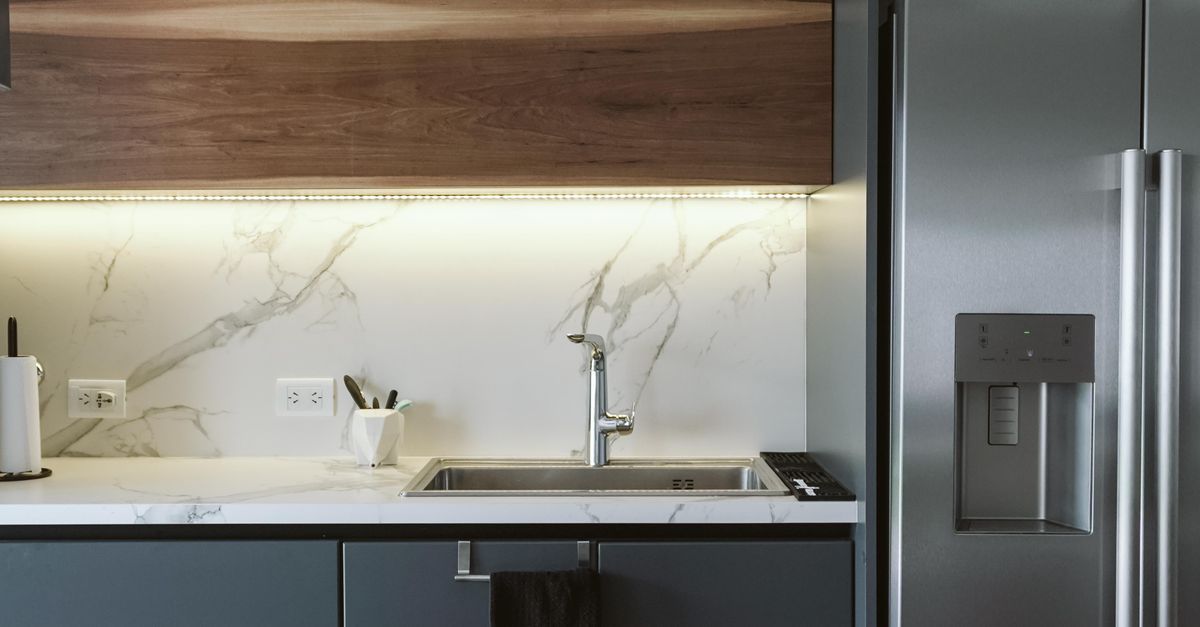
Minimalist cabinetry often serves as a focal point in open-plan living spaces, seamlessly blending functionality with aesthetic appeal. Clean lines, neutral colors, and unobtrusive hardware allow the cabinetry to complement rather than overwhelm the overall design. Highlighting the natural beauty of materials, such as wood or stone, adds texture while maintaining a clutter-free environment. Strategically placed lighting can enhance these features, creating depth and emphasizing the craftsmanship without introducing distractions.
Incorporating unique elements, such as open shelving or glass-front doors, can further distinguish cabinetry in a minimalist setting. These options offer opportunities to display personal items or curated decor, bridging the gap between practicality and artistic expression. Thoughtful consideration of layout and placement ensures that these features resonate with the surrounding space, promoting a sense of cohesion. Balancing form and function is key to achieving a harmonious blend that defines the essence of minimalist design.
Custom vs. Prefabricated Cabinets
When choosing between custom and prefabricated cabinets, understanding the distinct advantages of each option is crucial. Custom cabinets offer tailored solutions that fit specific dimensions and design preferences. Homeowners can select materials, finishes, and storage configurations that match their vision. This level of personalization often results in a unique aesthetic that integrates seamlessly with the overall design of the living space.
Prefabricated cabinets, on the other hand, provide a cost-effective alternative that appeals to many budgets. These options typically come in standard sizes with limited customization, making them quicker to install and easier to source. While they may lack the individuality of custom cabinetry, high-quality prefabricated options can still offer a minimalist aesthetic. Their efficiency in design and installation often makes them a practical choice for those aiming for a cohesive look without the extended timeline associated with custom solutions.
Weighing Your Options
When considering cabinetry for a minimalist space, the choice between custom and prefabricated options can significantly impact both aesthetics and functionality. Custom cabinets offer the advantage of tailored design, allowing homeowners to maximize the use of available space while aligning with personal style preferences. This bespoke approach often results in a cohesive look that seamlessly integrates with the overall design of an open-plan living area.
On the other hand, prefabricated cabinets provide a practical solution for those seeking a quicker and often more cost-effective option. These products come in standardized sizes, which can limit flexibility in design but may simplify the installation process. Many manufacturers now offer modern designs that can fit well within a minimalist aesthetic. Evaluating budget constraints alongside the desired level of customization is crucial in making the right choice for your space.
Integrating Technology into Minimalist Spaces
Modern living spaces increasingly benefit from advanced technology seamlessly integrated into their designs. Smart home systems allow homeowners to control lighting, temperature, and security with ease. These systems enhance both comfort and convenience, ensuring that minimalist aesthetics remain unobtrusive while offering functionality. Wireless connections reduce clutter, helping to maintain a clean and cohesive look that is essential in minimalist environments.
Incorporating technology also extends to appliances and cabinetry. Smart refrigerators and ovens can optimize cooking experiences while hidden charging stations and pull-out shelves keep surfaces tidy. Researching options that align with minimalist principles helps ensure that each piece contributes to the overall aesthetic without overwhelming it. Striking a balance between innovation and simplicity can elevate open-plan living spaces, making them both stylish and functional.
Smart Storage Solutions
In modern minimalist designs, smart storage solutions help create uncluttered and functional spaces. Innovative cabinetry often incorporates features like pull-out shelves, hidden compartments, and modular systems. These designs enable homeowners to make the most of limited space while preserving a sleek aesthetic. Carefully planned layouts can transform ordinary cabinets into versatile storage that enhances the overall appeal of the living environment.
Technology plays a pivotal role in optimizing storage in minimalist settings. Smart home systems allow for integrated solutions, such as automated cabinets that open with a simple gesture or voice command. These advancements not only add convenience but also maintain the clean lines characteristic of minimalism. By merging functionality with cutting-edge technology, homeowners can achieve an effortlessly organized space that remains visually cohesive.
FAQS
What is minimalist cabinetry?
Minimalist cabinetry refers to kitchen and storage designs that emphasize simplicity, clean lines, and a lack of decorative embellishments, creating a cohesive and uncluttered look in open-plan living spaces.
How does lighting impact minimalist designs?
Lighting plays a crucial role in minimalist designs by enhancing the aesthetic appeal of the space, highlighting cabinetry and features, and creating an inviting atmosphere without overwhelming the clean lines typical of minimalist decor.
Should I choose custom or prefabricated cabinets for my minimalist space?
The choice between custom and prefabricated cabinets depends on your budget, style preferences, and specific needs. Custom cabinets can offer a tailored fit and design, while prefabricated options are often more cost-effective and quicker to install.
What are some smart storage solutions for integrating technology into minimalist spaces?
Smart storage solutions include built-in shelving, pull-out drawers, and hidden compartments that maximize functionality without compromising the clean aesthetic of minimalist cabinetry. Incorporating technology like smart home devices can also enhance usability without cluttering the space.
How can I ensure cohesion in an open-plan living area with minimalist cabinetry?
To achieve cohesion, choose a consistent color palette, utilize similar materials across cabinetry and furnishings, and incorporate design elements that complement each other. This approach will create a harmonious flow throughout the open-plan space.
Related Links
Sustainability Meets Minimalism: Eco-Friendly Cabinet OptionsEmbracing Simplicity: The Rise of Minimalist Cabinet Styles in Newcastle
Creating Space: The Impact of Minimalist Cabinet Styles on Small Areas
Innovative Designs: Minimalist Cabinets that Maximise Storage
Top Minimalist Cabinet Trends for Modern Homes in Newcastle