Enhancing Accessibility with Smart Storage Designs
Table Of Contents
Smart Storage for Small Spaces
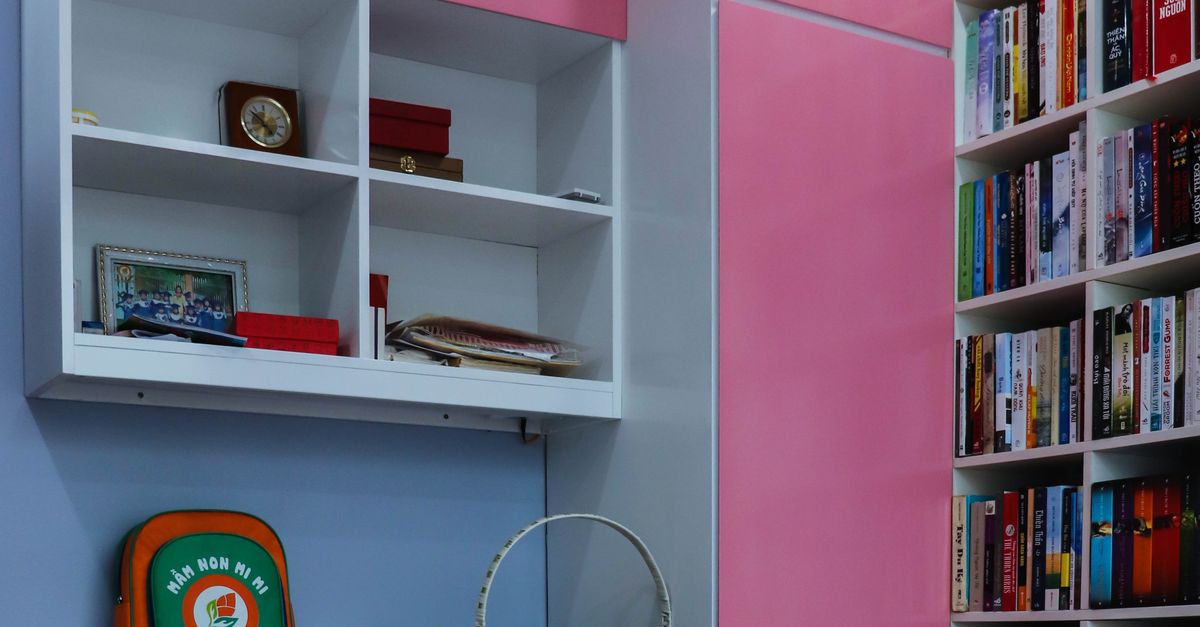
Creating efficient storage solutions in small areas requires thoughtful planning and innovative designs. Utilizing vertical space often provides a significant advantage. Shelving units that extend up to the ceiling maximize storage without occupying much floor space. Multi-functional furniture, such as ottomans with hidden compartments or beds with drawers, can also create additional room for belongings without sacrificing style or function.
In smaller environments, modular storage systems offer flexibility and adaptability. These systems can be easily rearranged as needs change, making them an excellent option for dynamic living spaces. Under-bed storage containers and wall-mounted organizers further enhance the potential for organization. By focusing on clever design and strategic placement, small spaces can become more functional without feeling cluttered or cramped.
Maximizing Functionality in Compact Areas
Compact living spaces often require innovative solutions to maximize usability. Selecting multi-functional furniture is an effective strategy. Items such as ottomans with hidden storage or beds that incorporate drawers create additional space without sacrificing style. Utilizing vertical space through shelving and wall-mounted units can free up floor areas while maintaining accessibility.
Creative organization also plays a critical role in optimizing small areas. Incorporating collapsible or foldable items can allow for changeable environments, adapting to various needs throughout the day. Clear storage bins can help maintain visibility, making it easier to locate items quickly. By implementing these strategies, one can transform limited spaces into functional and enjoyable living areas.
Integrating Technology into Storage Design
The incorporation of technology into storage solutions can significantly streamline organization and accessibility. Smart storage systems often utilize sensors and automation, allowing users to monitor inventory levels and receive alerts when items are running low. These advances enable individuals to optimize their space based on real-time usage and needs, ensuring that every item is accounted for and easily retrievable.
Moreover, integration of mobile applications adds another layer of convenience. Users can manage their storage setups remotely, creating lists and reminders for organization tasks. Some systems even offer voice-activated controls, allowing for hands-free operation. These features not only enhance usability but also encourage a seamless interaction between daily routines and storage management, ultimately contributing to a more efficient living environment.
Smart Features That Enhance Usability
Incorporating smart features into storage designs can significantly improve how users interact with their space. For example, motion-sensor lighting integrated into cabinets and closets illuminates areas automatically, eliminating the hassle of searching for items in low light. Adjustable shelving units equipped with lockable brackets allow for easy customization, catering to individual needs as well as changes in storage requirements. These enhancements not only maximize functionality but also streamline daily routines.
Smart technology can also provide users with real-time inventory management. RFID tags and smart labels help track items stored away, making it simple to locate what is needed without unnecessary digging or guesswork. Mobile apps that sync with storage systems can alert users to items that are running low or remind them of where certain seasonal items are stored. These features promote efficiency and reduce stress by simplifying the organization process.
Choosing the Right Materials
When selecting materials for smart storage designs, durability should be a primary consideration. Options such as high-quality wood, metal, and engineered composites provide strength and longevity, ensuring that storage solutions withstand daily use. Additionally, the finish and treatment of these materials can significantly impact their performance. Water-resistant coatings and stain-resistant fabrics enhance resilience, making them suitable for a variety of environments, including kitchens, bathrooms, and outdoor settings.
Aesthetic appeal plays an equally important role alongside durability. Various materials come in an array of colors, textures, and finishes, allowing for personalization and integration with existing decor. This flexibility enables homeowners to create functional storage that also complements their interior design. Sustainable materials are becoming increasingly popular, reflecting environmental consciousness and offering unique design options. Such choices not only enhance visual appeal but also contribute to a more responsible approach to home improvement.
Durability and Maintenance Considerations
Selecting the right materials for smart storage solutions involves considering both durability and ease of maintenance. Materials like plywood, metal, and high-quality plastics offer longevity and resistance to wear over time. These options not only withstand daily use but also maintain their aesthetic appeal. Choosing finishes that repel stains or resist scratches can further enhance the lifespan of storage units in busy households, making them more practical for everyday living.
Maintenance should be a key factor in the design and material selection process. Surfaces that are easy to clean or require minimal upkeep facilitate a hassle-free user experience. For instance, using finishes that are both water-resistant and stain-resistant can significantly reduce the time spent on cleaning. Regular inspections for wear and tear can help in identifying necessary repairs before they turn into larger issues, ensuring that storage solutions remain functional and visually appealing for years to come.
FAQS
What are some benefits of using smart storage designs in small spaces?
Smart storage designs maximize functionality, enhance organization, and create a more efficient use of limited space, making it easier to access items and maintain a clutter-free environment.
How can technology be integrated into storage design?
Technology can be integrated through features such as automated shelving systems, app-controlled storage solutions, and smart sensors that help track inventory and optimize space usage.
What are some smart features that enhance usability in storage?
Smart features can include adjustable shelving, pull-out and pull-down mechanisms, built-in lighting, and digital inventory management, all of which improve accessibility and ease of use.
What materials are best for durable and low-maintenance storage solutions?
High-quality materials such as engineered wood, metal, and high-density plastics are often recommended for their durability and ease of maintenance, ensuring that storage solutions last longer with minimal upkeep.
How can I determine the right storage solution for my specific needs?
Assess your space requirements, consider the types of items you need to store, and evaluate your budget. It may also be helpful to consult with a design professional to create a personalized storage plan that meets your needs.
Related Links
Clever Use of Vertical Storage in CabinetryDesigning Cabinets for Optimal Space Efficiency
Custom Cabinet Solutions for Small Spaces
The Future of Smart Cabinetry: Trends to Watch
Integrating Technology for Smart Storage Solutions