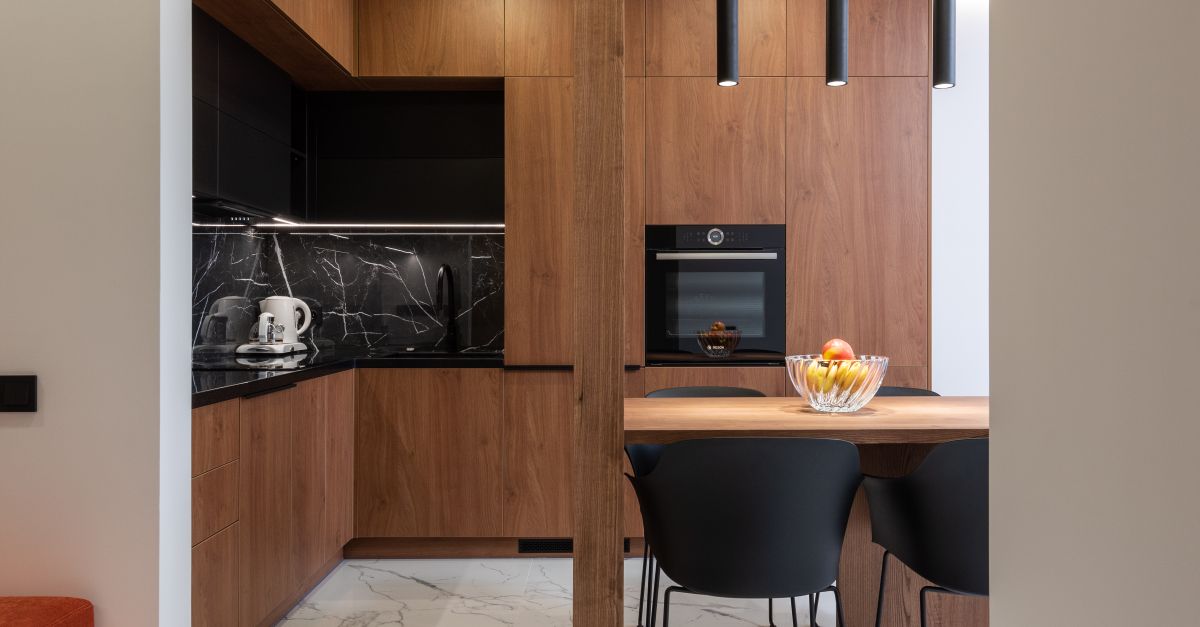
Elevating Your Interior with Bespoke Cabinetry Options
Table Of Contents
The Role of Cabinet Hardware
Cabinet hardware serves as the finishing touch in any cabinetry design, impacting both functionality and aesthetics. Selecting the right knobs, pulls, and hinges can elevate the overall appearance of cabinets while enhancing usability. A well-chosen piece of hardware complements the cabinetry, bridging design concepts seamlessly. Materials and finishes vary widely, from polished metals to antique brass, allowing homeowners to express their unique style.
In addition to visual appeal, hardware plays a crucial role in the operation and durability of cabinets. Quality components ensure that doors and drawers function smoothly, which is essential for everyday use. Investing in robust hardware can prevent future issues, such as misalignment or wear. Thoughtful selection of cabinet hardware not only improves the overall look but enhances the longevity of cabinetry, making it a vital consideration in any design project.
Elevating Design with Customized Details
Custom cabinetry allows for a unique expression of personal style, often elevating the overall aesthetics of a room. By selecting materials and finishes that reflect individual tastes, homeowners can create an inviting space that resonates with warmth and character. Every detail, from wood grain patterns to paint colors, contributes to a cohesive design narrative. Adding elements like decorative molding or personalized hardware can transform simple cabinets into focal points within the environment.
Incorporating specialized features enhances both functionality and visual appeal. Adjustable shelving offers flexibility for storing various items while maintaining an appealing look. Designing cabinetry with integrated lighting can dramatically alter the ambiance of a space, creating moments of interest and ambiance. Customization allows homeowners to address specific needs, whether it's accommodating unique dishes or maximizing space efficiency, resulting in a harmonious blend of beauty and utility.
Maximizing Storage Solutions
Effective storage solutions are essential for maintaining an organized and functional living space. Custom cabinetry can be designed to fit unique dimensions and accommodate specific needs, allowing homeowners to maximize every inch of available space. Adjustable shelves, pull-out drawers, and hidden compartments can transform cluttered areas into streamlined designs. By utilizing vertical space, homeowners can enhance storage capacity without sacrificing style.
Thoughtful design elements can also include integrated solutions that blend seamlessly with existing decor. For instance, combining cabinetry with multifunctional furniture can create a harmonious look while providing additional storage. Incorporating features such as built-in lighting highlights these spaces and improves visibility, making it easier to access items. This strategic approach ensures that every element contributes to both functionality and aesthetics, creating a more enjoyable environment.
Tailored Approaches for Small Spaces
Navigating the challenges of compact living requires strategic planning and innovative designs. Custom cabinetry presents an ideal solution by utilizing every inch of available space. From floor-to-ceiling cabinets to built-in shelves, tailored options not only provide essential storage but also enhance the overall aesthetic of small rooms. Designers can help maximize functionality by incorporating pull-out shelves and hidden compartments, ensuring that even the tiniest spaces feel organized and efficient.
When developing a functional layout, it’s important to consider the specific needs of the inhabitants. Integrating versatile furniture pieces, such as benches with storage underneath or desks that transform into dining tables, can significantly enhance usability. Color choices also play a significant role; lighter shades on cabinetry can create an illusion of a larger space. By thoughtfully planning every element, homeowners can turn small areas into stylish havens that are both functional and visually appealing.
Working with a Designer
Engaging a designer can transform the process of creating custom cabinetry. Professionals bring insights into trends, materials, and layout possibilities that clients may not consider. They can visualize space constraints and create solutions that maximize both function and aesthetics. A designer's experience allows for the integration of personal preferences and practical needs, ensuring that the cabinetry complements the overall interior design.
Collaboration with a designer involves clear communication and setting expectations. Discussing ideas and sharing inspiration images can provide a solid foundation for the project. Establishing a budget early on helps guide choices related to materials and craftsmanship. Regular meetings throughout the design process keep the project on track and offer opportunities for feedback, fostering a partnership that ultimately enhances the quality of the final product.
Tips for a Successful Collaboration
An open line of communication is essential when working with a designer. Clearly express your needs, preferences, and budget from the beginning. Provide examples of styles you admire, which helps the designer understand your vision. Be receptive to their expertise and suggestions, as they can offer insights that might enhance your ideas. Regular check-ins during the process can help ensure you stay aligned with the design direction.
Setting realistic timelines can significantly improve the collaboration experience. Discuss project milestones, deadlines, and any potential challenges upfront. This approach creates a clear framework for both parties. Be prepared for adjustments along the way, as flexibility can lead to better outcomes. Ultimately, fostering a positive relationship with your designer will lead to a more satisfying transformation of your space.
FAQS
What is bespoke cabinetry?
Bespoke cabinetry refers to custom-made cabinets designed to fit specific dimensions, styles, and functionalities, tailored to meet the unique needs and preferences of an individual or space.
How can cabinet hardware impact the overall design of my space?
Cabinet hardware, such as knobs and pulls, can significantly enhance the aesthetic appeal of cabinetry, adding character and style. The right hardware can complement the overall design theme and elevate the visual impact of your interior.
What are some effective storage solutions offered by bespoke cabinetry?
Bespoke cabinetry can include features like pull-out shelves, corner units, integrated dividers, and hidden compartments, maximizing storage space while ensuring functionality and accessibility.
How can I optimize cabinetry design for a small space?
Tailored approaches for small spaces may include utilizing vertical storage, incorporating multi-functional pieces, and choosing compact designs that maximize every inch without sacrificing style.
What should I consider when working with a designer on bespoke cabinetry?
When collaborating with a designer, it’s important to communicate your vision, preferences, and functional needs clearly. Additionally, discussing budget, timelines, and desired materials can help ensure a successful partnership.
Related Links
Essential Features of High-Quality Custom CabinetsUnderstanding the Process of Custom Cabinet Design
Integrating Smart Technology into Custom Cabinet Designs
Making the Most of Small Spaces with Custom Cabinetry
Common Mistakes to Avoid in Custom Cabinet Projects
How to Choose the Right Materials for Custom Cabinets
Top Trends in Custom Cabinetry for Modern Homes
Personalising Your Home Through Custom Cabinetry in Newcastle